This is what politicians get paid around the world
Which country's politicians make the most?
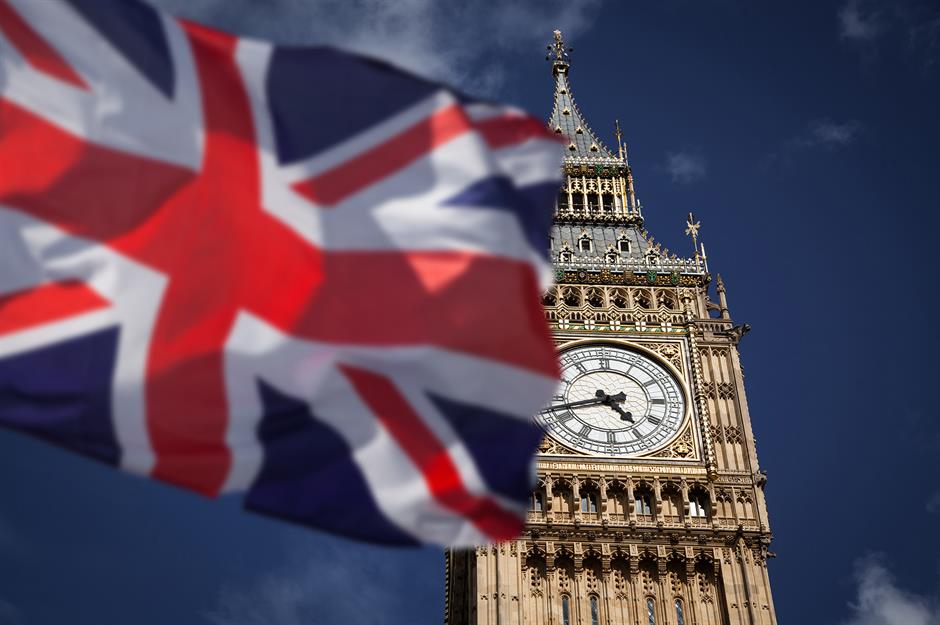
You, the taxpayer, are covering your politicians' wages – so it's only right that you know what your elected representatives earn and how their pay compares globally...
The reality, as you'll soon find out, is a major eye-opener. While some politicians take home a small amount, others rake in many times their country's average salary. Read on to discover the annual wages for members of parliament, congress, and other legislative bodies in 27 selected nations, using data collated by PoliticalSalaries.com and other sources.
All dollar amounts in US dollars. Data correct as of September 2026.
Ukraine: $8,150 (£6,040)
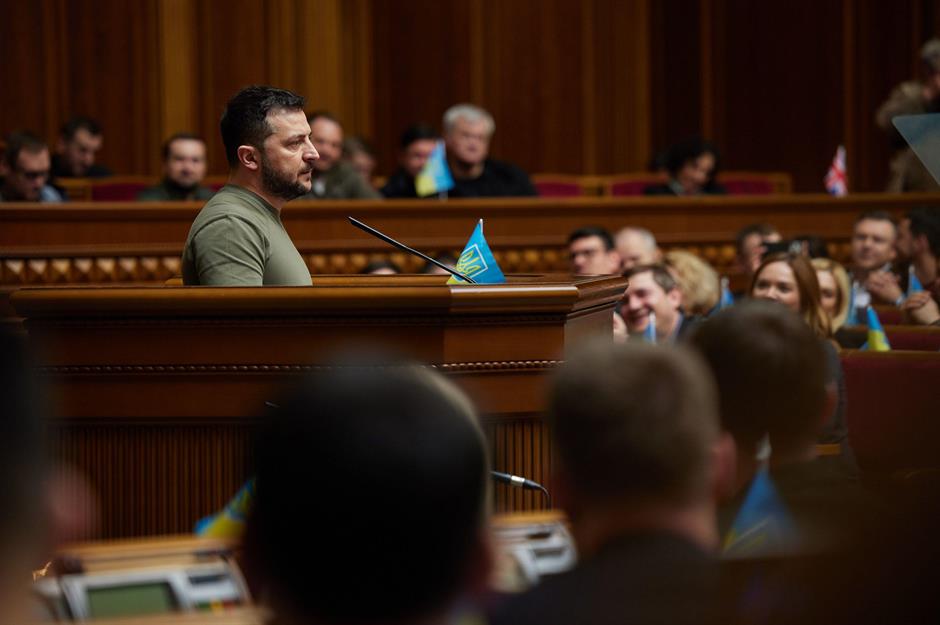
The 450 members of Ukraine's parliament, the Verkhovna Rada, earn the country's typical salary, which is considerably less than civil servants at an equivalent level. The upside is that politicians can claim travel expenses and rent if they live outside Kyiv.
Though there have been repeated calls to raise their salary, Ukraine's MPs have consistently resisted giving themselves pay rises so as not to offend their constituents, who are enduring immense economic hardship due to the Russian invasion.
India: $15,690 (£11,630)
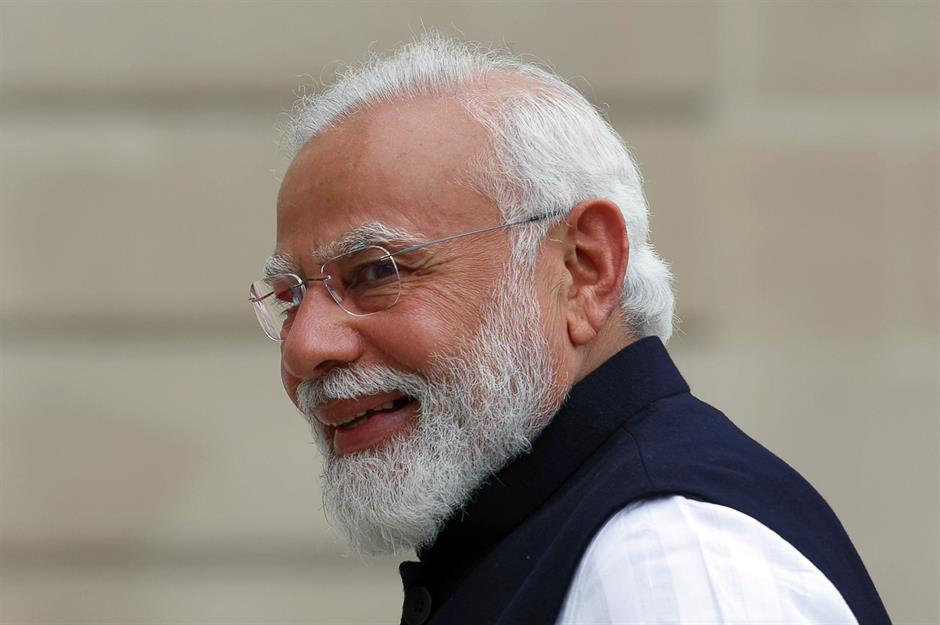
Members of India's lower house of parliament, the Lok Sabha, are paid the equivalent of $15,690 (£11,630) a year. This seems very low from an international perspective, but it's actually over three times India's average annual wage. Meanwhile, Prime Minister Narendra Modi (pictured) reportedly receives the equivalent of around $1,750 (£1.3k) a month.
Plus, India's 543 MPs in the Lok Sabha benefit from numerous perks. These range from free housing and healthcare to an office allowance amounting to over $7,500 (£5.6k), not to mention dozens of complimentary domestic flights each year.
Sponsored Content
China: $20,360 (£15,105)
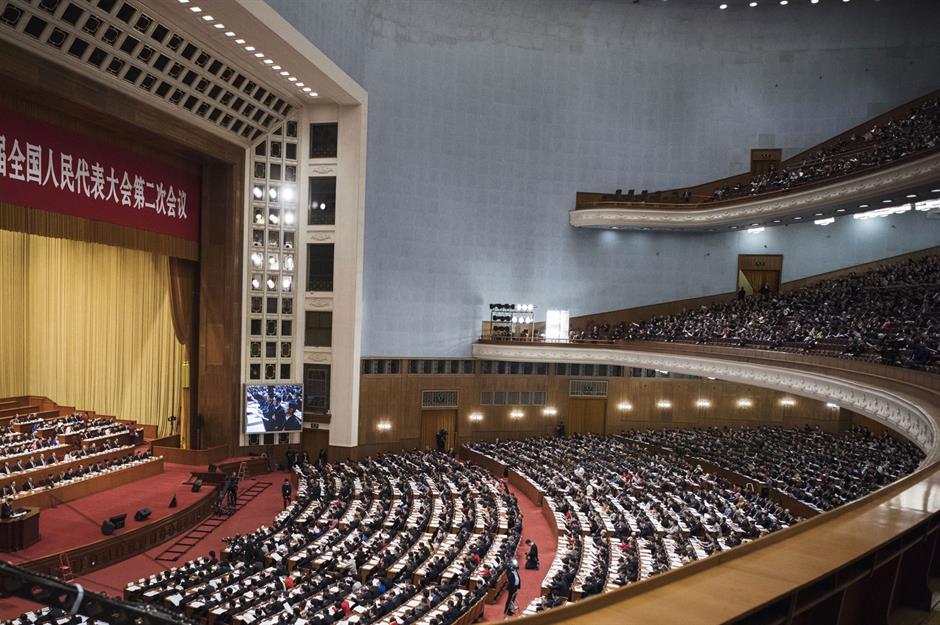
China's National People's Congress (NPC) is the largest legislature in the world with almost 3,000 deputies. But members have no real power and meet only once a year to rubber-stamp the Chinese Communist Party leadership's plans.
These politicians aren't paid unless they serve on the Standing Committee, and even then the salary is modest. They do, however, get free flights and accommodation as well as a daily living allowance when they travel to Beijing for 10 days in the spring for the annual meet-up. Critics say the lack of adequate compensation fuels corruption by incentivising deputies to seek unofficial income. And graft remains a persistent problem within the system, despite Xi Jinping's efforts to stamp it out.
Argentina: $32,850 (£24,370)
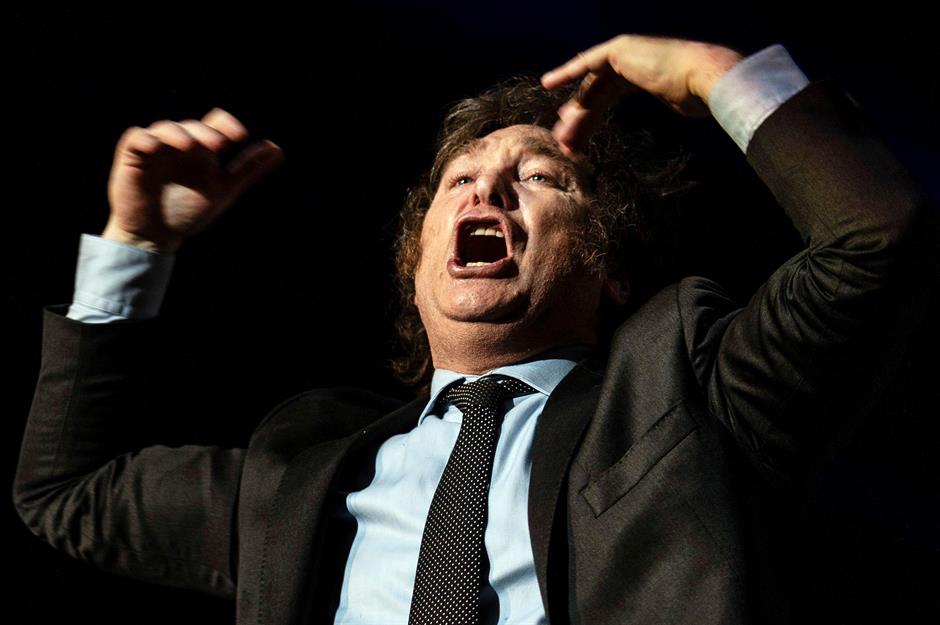
In the midst of a drastic austerity drive, officials in Argentina's 257-seat Chamber of Deputies came under fire in 2024 for awarding lawmakers a 30% pay rise. While the hike brought salaries in line with inflation, it didn't go down well with cost-cutting president Javier Milei (pictured), who said “a lot of people are a lot worse off” and that he didn't want to hear that politicians can't make ends meet. In fact, the current salary for a deputy is roughly three times higher than Argentina's average annual wage of approximately $10,500 (£7.8k).
Milei has since come under fire for an alleged corruption scandal, amid claims his sister and advisor, along with other close officials, have profited from bribery. The president has staunchly denied this, describing the rumours as "rancid political tricks".
Mexico: $53,630 (£39,790)
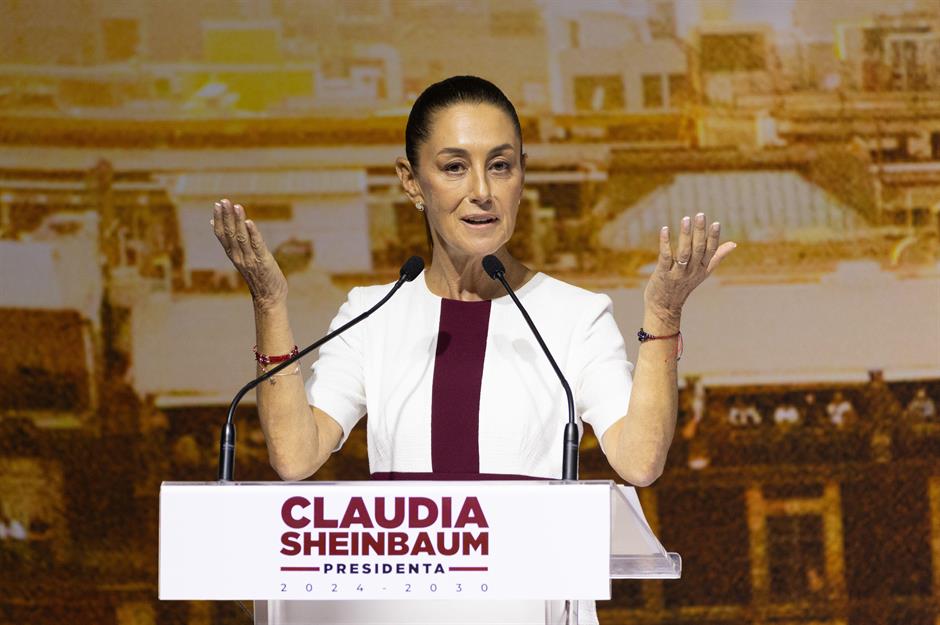
Mexico is one of the most dangerous places in the world to be a politician, with assassinations of elected officials shockingly commonplace in the country. The 500 members of the Chamber of Deputies are paid a salary roughly four and a half times the nation's average and get free flights and other plum benefits.
Given the risks they face, a bumper pay package seems reasonable. Nonetheless, Mexico is one of the most corrupt countries in this round-up, and the deputies' heavily expensed lifestyles have drawn considerable criticism over the years.
Sponsored Content
Portugal: $54,310 (£40,295)
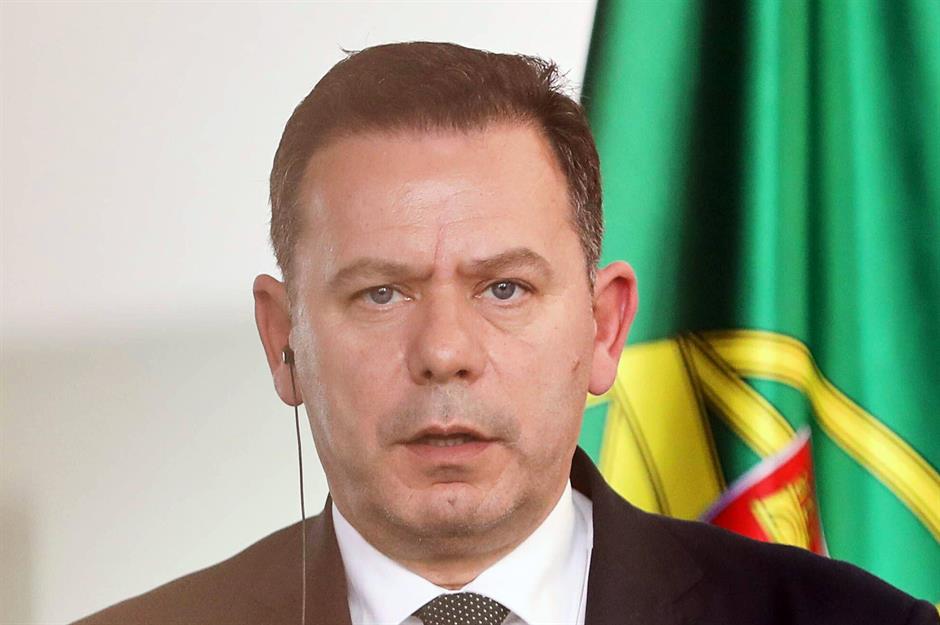
Portugal's 230 parliamentarians earn salaries just over twice the country's typical wage.
Portugal's MPs bagged a generous pay rise in 2024, and Prime Minister Luís Montenegro (pictured) earns $81,500 (£61.3k) a year. A 5% salary reduction imposed over a decade ago when the country was in dire economic straits has been lifted, and allowances for travel and other expenses have been restored. Not everyone has been happy with the changes though – even some MPs believe politicians' pay should only increase in line with the country's average salary.
Spain: $54,810 (£40,660)
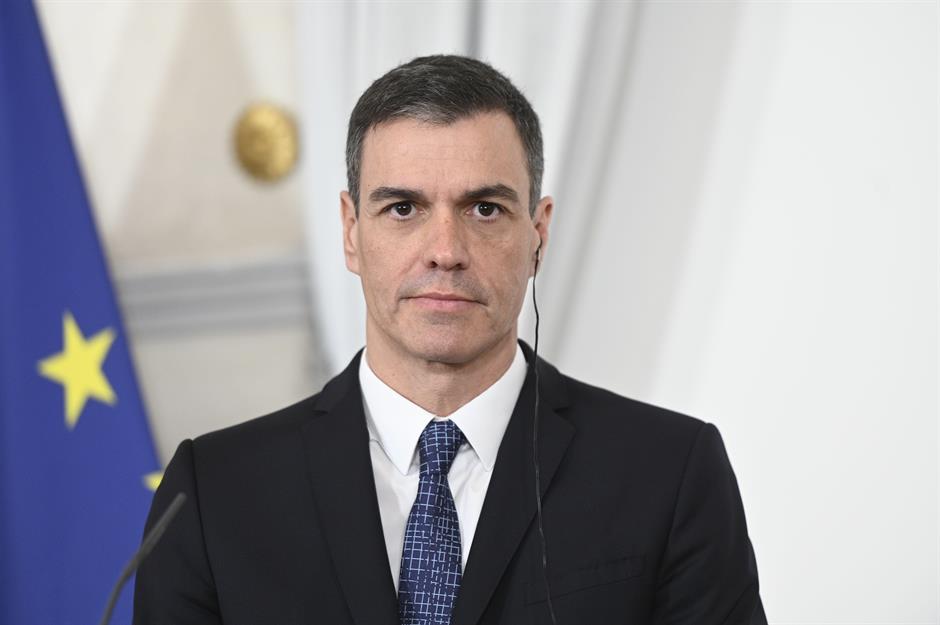
The disparity between the average national wage and politicians' compensation is much narrower in Spain, where the 350 members of the Congress of Deputies earn just under twice the country's typical salary, which stands at around $30,000 (£22.3k) per year.
Pay for top government officials is relatively restrained too, with Prime Minister Pedro Sánchez (pictured) taking home a respectable $111,600 (£82.8k) annually.
Peru: $65,120 (£56,380)
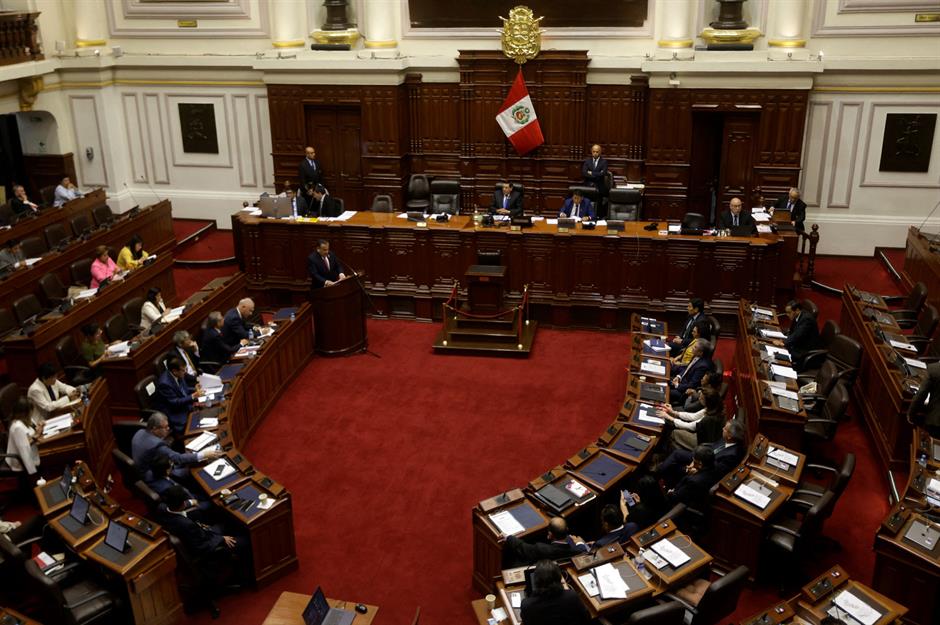
Peru's 130 lawmakers often grumble about their wage packet, including parliamentarian María Agüero, who has publicly stated her salary isn't enough to live in Lima. But members of Congress earn around eight times the average wage and 18 times the minimum wage.
Plus, their compensation can swell to 45 times the minimum wage in December when politicians receive fat Christmas bonuses and other extras, according to news site Infobae.
Sponsored Content
Russia: $67,310 (£49,970)
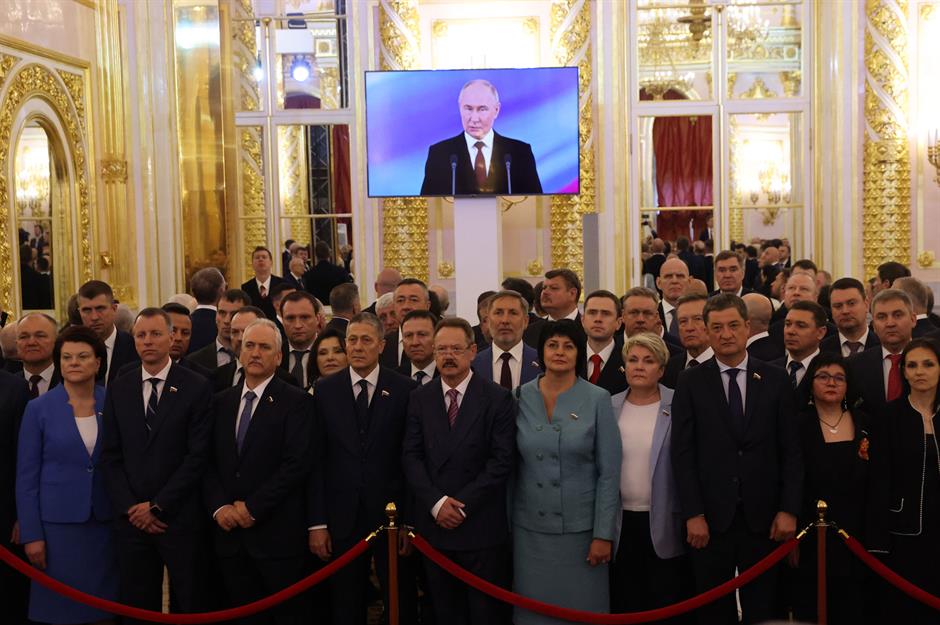
A parliament in all but name, Russia's Duma is essentially a rubber-stamp body for the Kremlin, and the chamber's 450 deputies are very generously rewarded.
The official salary amounts to $67,310 (£50k) a year, more than five 5 times Russia's average annual wage. And that's not even taking into account reports of their hidden wealth, with Russia one of the most corrupt countries in this round-up.
South Africa: $79,690 (£59,160)
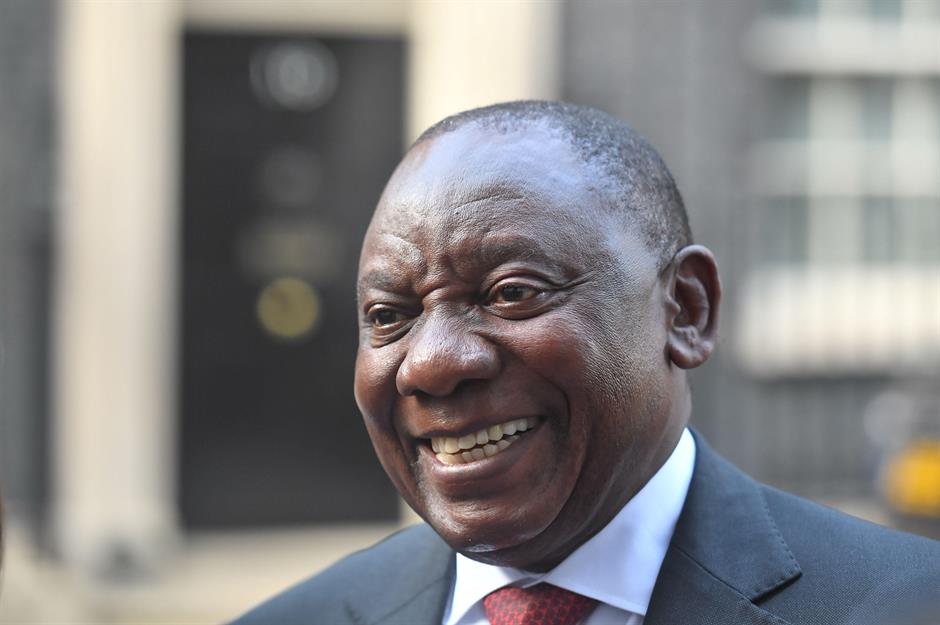
South Africa's 454 MPs, led by President Cyril Ramaphosa (pictured), are paid $79,690 (£59.2k) a year, which is around four times the average annual wage in the country. While this isn't excessive, the freebies that come with it have raised eyebrows given South Africa's rampant poverty and the huge gap between rich and poor.
Parliamentarians are spoiled with heavily subsidised luxurious housing, scores of free flights, free electricity and water and laptop and smartphone allowances.
Switzerland: $87,840 (£65,215)
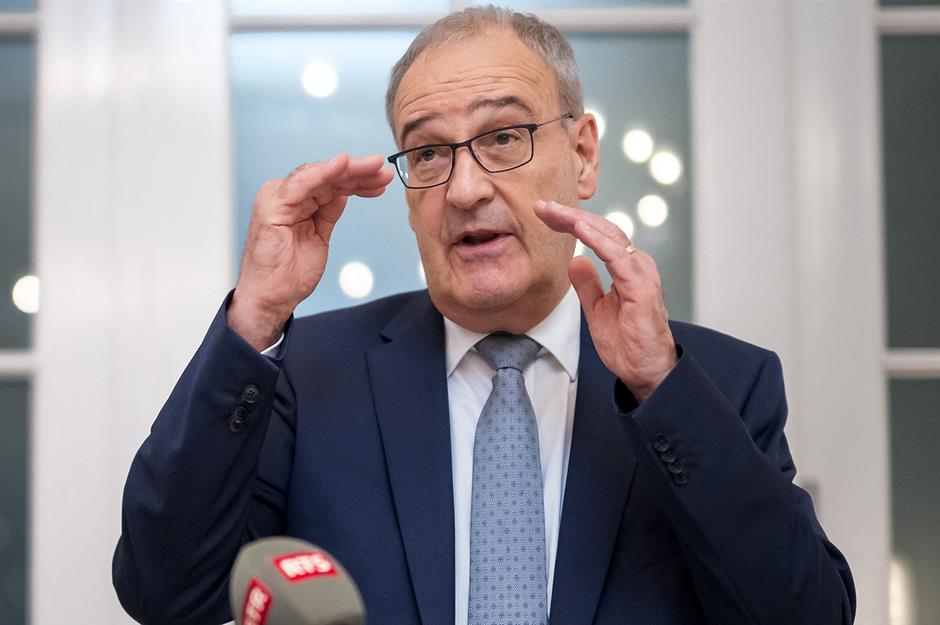
The Swiss parliament, which has been headed by Guy Parmelin (pictured) since the start of 2026, has been hailed as one of the least expensive and most efficient in the world. Moderate pay is key to keeping costs down. The nation's 246 Federal Assembly members are paid $87,840 (£65.2k) a year, which is slightly less than Switzerland's average annual wage. The salary is actually modest when living costs are taken into account.
That said, total compensation more or less doubles when perks such as allowances for housing, meals and travel are factored in.
Sponsored Content
Chile: $95,400 (£70,825)
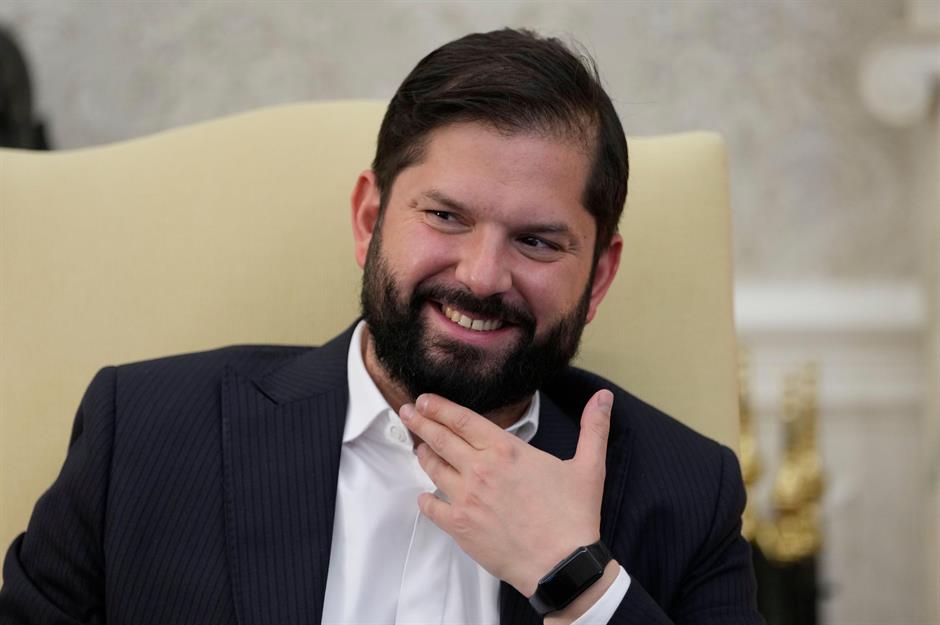
The 155 members of Chile's Chamber of Deputies are paid $95,400 (£70.8k) per annum, which is six times the average annual wage. But some elected representatives are making a lot more than that.
In 2024, the legislative body was rocked by a pay scandal following an exposé by La Segunda newspaper that revealed 35 top officials were paid in excess of $128,400 (£95.3k) a year, more than then-president Gabriel Boric (pictured).
Brazil: $103,870 (£77,115)
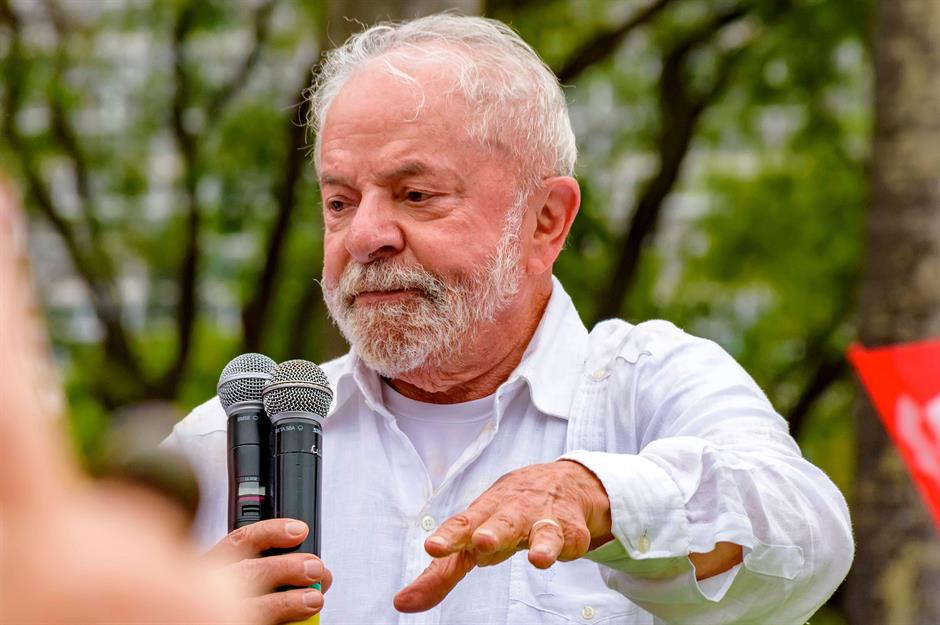
Brazil's 513 deputies earn $103,870 (£77.1k) a year, a salary that's almost 10 times Brazil's average annual wage. And this isn't even a fraction of what they really earn.
A 2021 study by the Institute for Pure and Applied Mathematics (IMPA) in Rio de Janeiro found that members of the Brazilian legislature have a gross yearly income equivalent to $5 million (£3.7m). According to PoliticalSalaries.com, the Brazilian president Luiz Inácio Lula da Silva (pictured) earns the equivalent of $79,100 (£58.7k) a year, but again, this doesn't include undisclosed expenses.
New Zealand: $103,980 (£77,195)
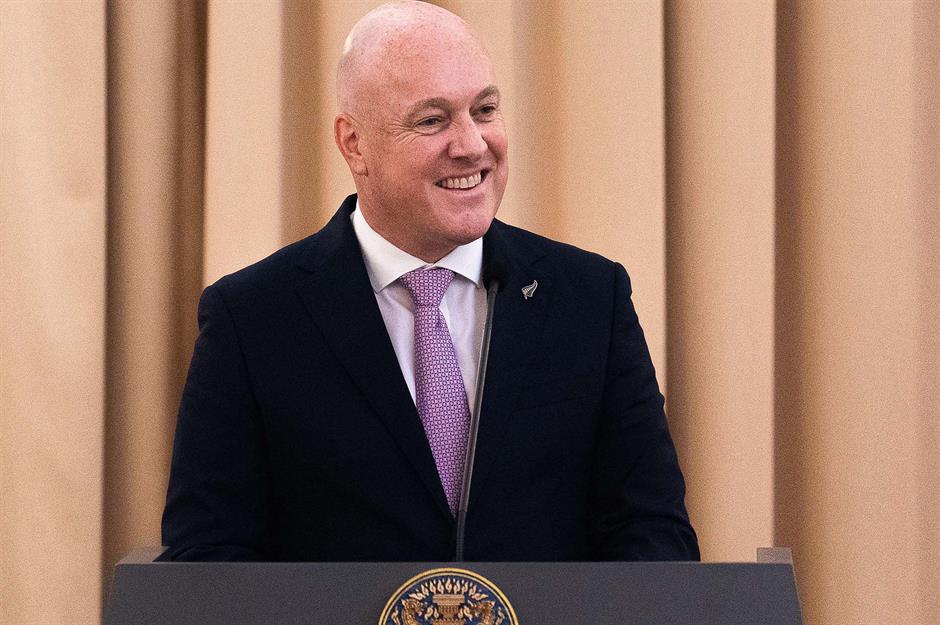
New Zealand's parliament counts 123 MPs who are paid the equivalent of $103,980 (£77.2k) a year.
The country's MPs enjoy plenty of perks, including a housing allowance, free travel and complimentary meals. However, the system has been vulnerable to abuse, and several politicians, including Prime Minister Christopher Luxon (pictured) and MPs Tim Costley and Kieran McAnulty, have faced allegations of misusing taxpayer-funded benefits.
Sponsored Content
France: $106,560 (£79,110)
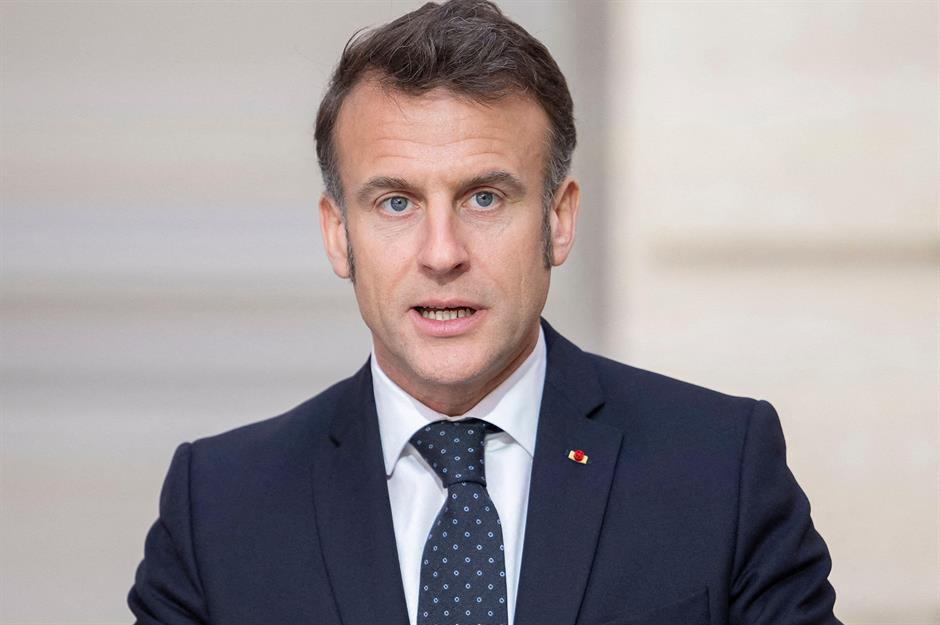
The deputies of France's 577-seat National Assembly are paid $106,560 (£79.1k) a year, more than twice the average earner in the country. Members of the chamber are also entitled to claim around $70,000 (£52k) annually in expenses, from travel to accommodation.
According to PoliticalSalaries.com, President Emmanuel Macron (pictured) earns $174,000 (£129k).
South Korea: $115,110 (£85,460)
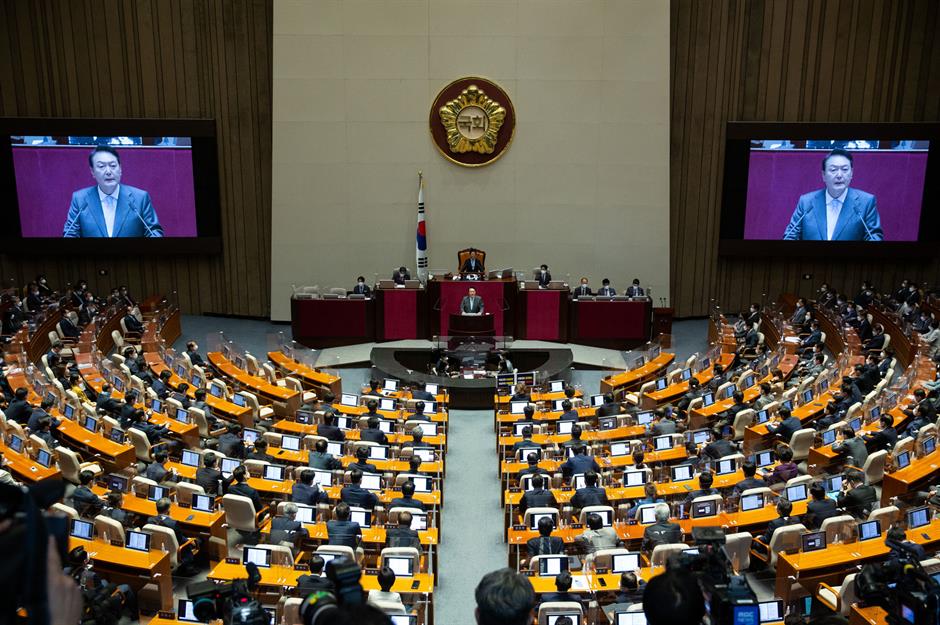
The 300 members of South Korea's National Assembly earn almost four times the average national wage and can tap into a myriad of allowances. Politicians' pay hit the news in the country in 2025 when it emerged that impeached president Yoon Suk Yeol was still getting his salary and would benefit from a 3% raise, taking his annual pay to around $175,000 (£130k).
As reported by the BBC, many South Koreans found the decision particularly shocking given that the country's minimum wage had increased by only 1.7%, with social media in the nation ablaze with angry comments.
Belgium: $125,450 (£93,135)
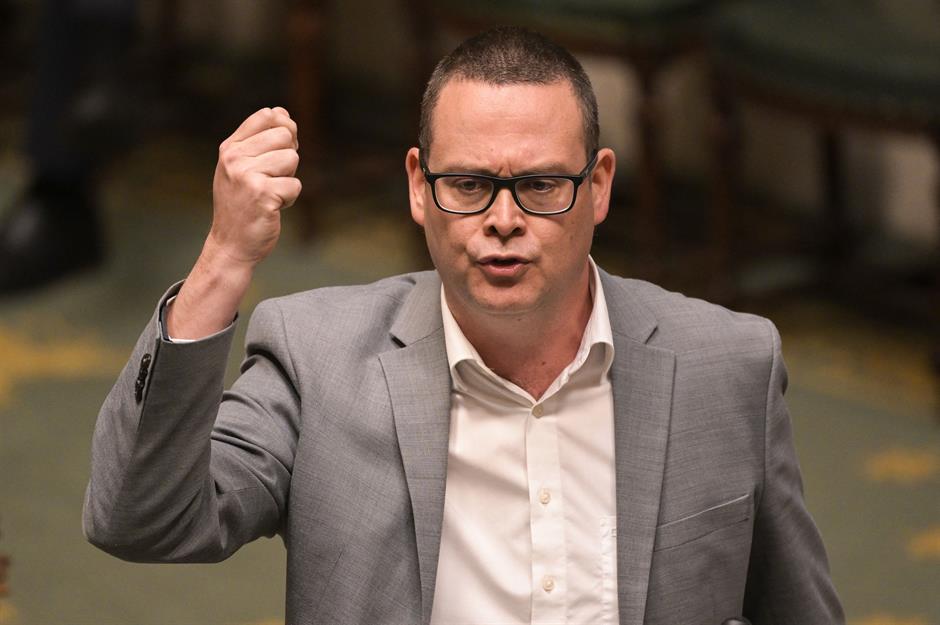
Members of Belgium's Federal Parliament, who number 190, take home $125,450 (£93.1k) a year, more than twice the typical annual wage.
Bones of contention include the extravagant severance pay packages awarded to outgoing MPs. In 2024, 15 former members of the Workers' Party refused their exit bonuses of up to $227,700 (£169k) each, calling them “intolerable privileges”, adding that their party had tried to abolish the perk, only to be ignored by other parties. President of the Workers' Party, Raoul Hedebouw, is pictured here.
Sponsored Content
UK: $132,800 (£98,600)
The House of Commons' 650 members were recently awarded a 5% pay rise, taking their annual salary to $132,800, more than three times Britain's average yearly wage. The hike is in line with recommendations for public sector workers and was decided by an independent body, but has nonetheless irked some voters.
Ever since the blockbuster expenses scandal of 2009, British MPs have had to tread carefully around pay-related matters, wary of the potential for significant public backlash.
Colombia: $139,080 (£103,255)
.jpg)
Colombia's 295 congresspeople are doing very well, especially in relative terms: their annual salary is more than 10 times the nation's average yearly wage. And that doesn't factor in the bountiful expenses and social benefits Colombian politicians enjoy.
A chorus of voices has called for change. Leading the charge, YouTuber senator Jota Pe Hernández launched a campaign in 2022 to slash congressional salaries by 30%. Needless to say, the proposal was met with fierce opposition from fellow parliamentarians. And the campaign appears to have fizzled out, with reports indicating Hernández has abandoned a pledge to donate 30% of his pay to charity.
Austria: $144,430 (£107,225)
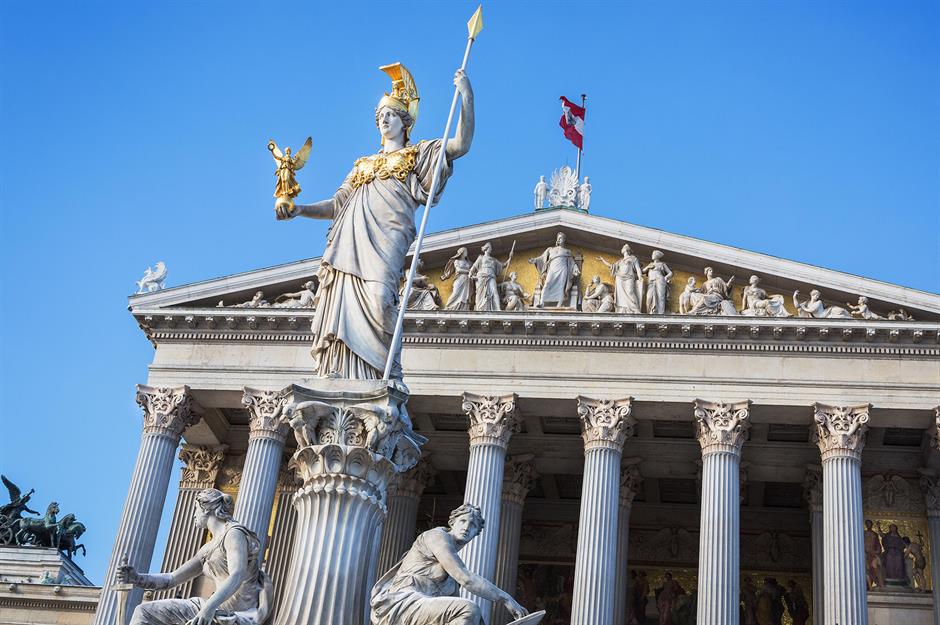
The 183 lawmakers in Austria's National Council earn $144,430 (£107k) annually. This is twice the country's average yearly wage.
National Council members also receive open-handed remuneration for a range of expenses. Unlike members of the Federal Council, Austria's upper house of parliament, they also receive an allowance that covers staffing costs.
Sponsored Content
Italy: $145,600 (£108,095)
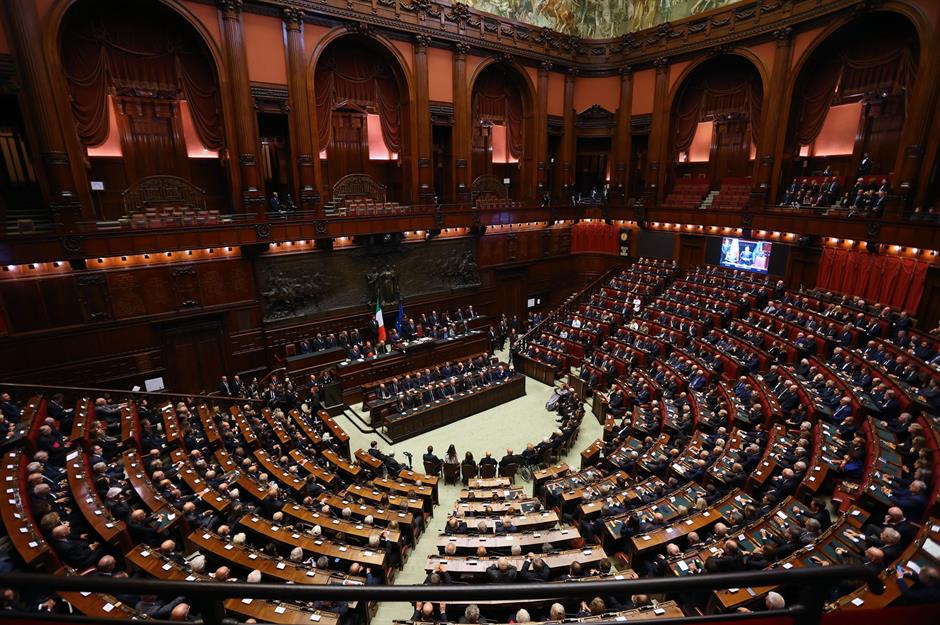
Italy's legislators have nothing to complain about when it comes to compensation. The 400 members of the nation's Chamber of Deputies earn $145,600 (£108k) a year, over four times the average annual salary. This is one of the widest disparities in Europe.
As you might imagine, Italian voters don't exactly love hearing about politicians getting massive pay bumps. This was all too evident in December 2024 when the government's attempt to hike some ministers' monthly pay by up to $8,000 (£6k) sparked a public outcry and was ultimately toned down.
Singapore: $152,180 (£112,955)
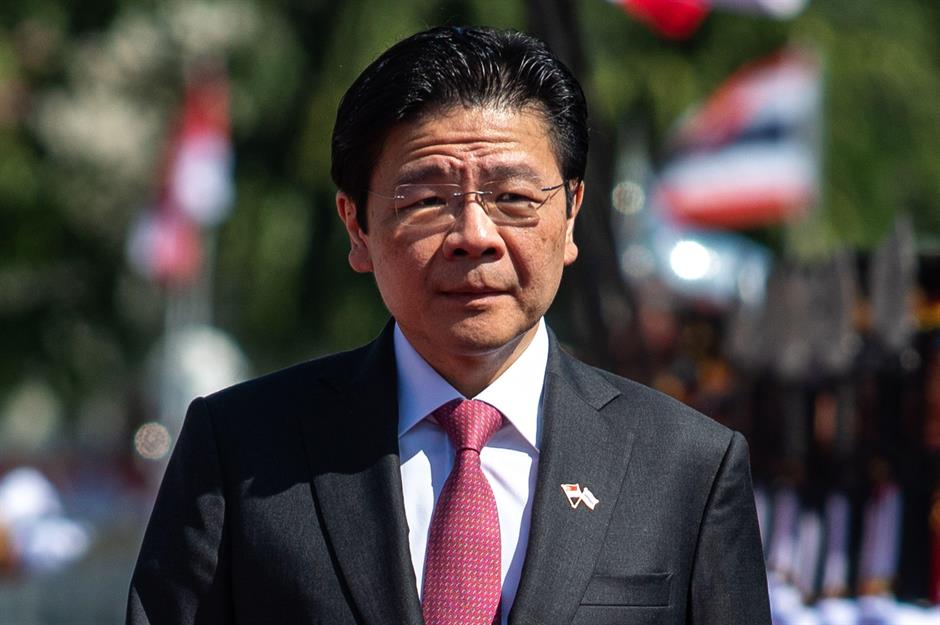
Singapore's 96 MPs command a salary of $152,180 (£113k) a year. This is about three times the average annual wage for the city-state, so in reality, Singapore's lawmakers aren't paid an exorbitant sum.
Plus, given that living costs in the tiny country are among the highest in the world, their salary doesn't go very far. However, the salary received by Prime Minister Lawrence Wong (pictured) is off the scale. The highest-paid world leader by far, his annual wage works out to an enormous $1.7 million (£1.3m).
Canada: $157,980 (£117,260)
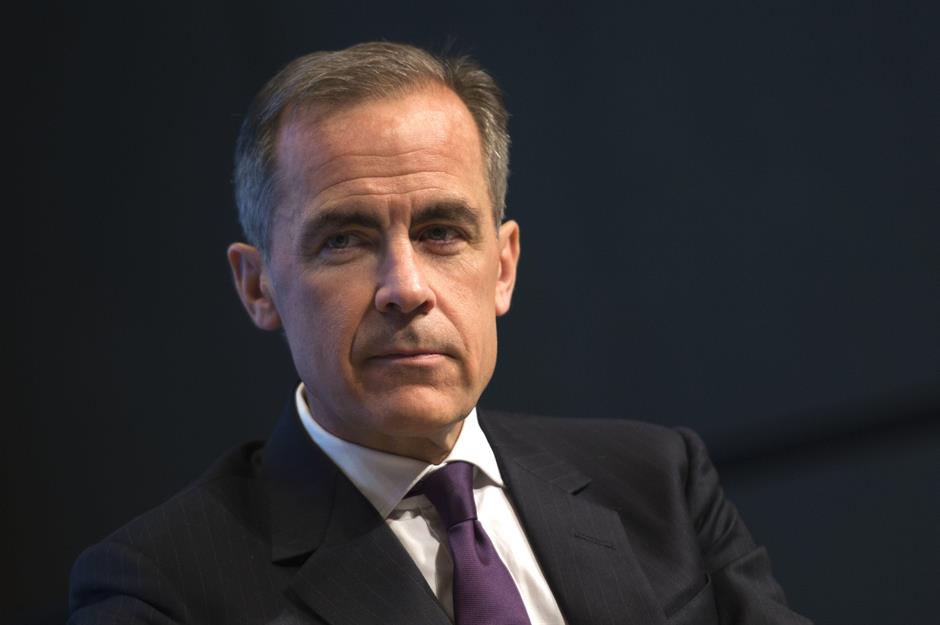
The 338 members of Canada's House of Commons net a basic annual salary that equates to $157,980 (£117k), about three times the nation's average yearly wage. Meanwhile, Prime Minister Mark Carney (pictured) enjoys a salary of $316,000 (£235k).
A recent 4.2% pay rise has raised eyebrows, particularly as Canadians struggle with the cost of living. Conservative MP Mike Dawson turned down the salary boost, branding it "frankly distasteful".
Sponsored Content
UAE: $163,380 (£120,270)
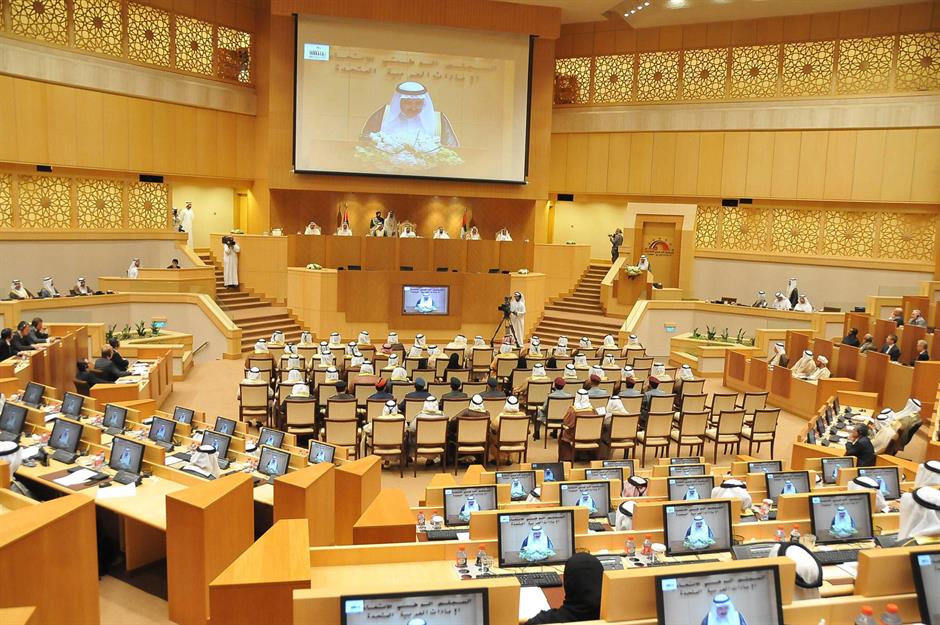
The closest thing the UAE has to a legislature, the Federal National Council plays a purely consultative role in a system where final authority rests with the hereditary rulers, not an elected parliament.
Despite their limited influence, the body's 40 members receive super-generous compensation, with annual salaries that exceed the country's average yearly wage by more than three times.
Germany: $165,110 (£122,555)
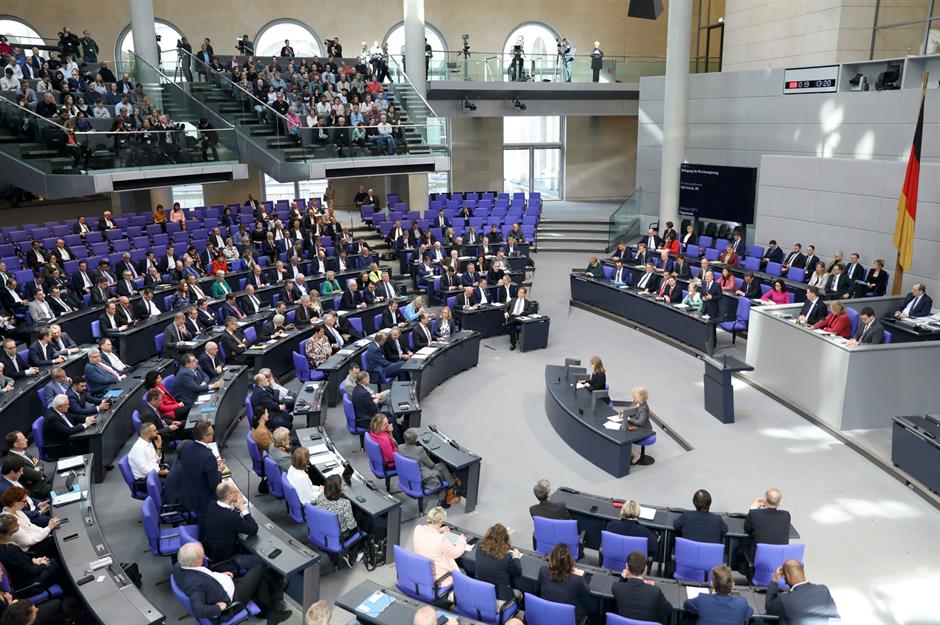
The 735 members of the Bundestag earn almost three times as much as the average worker in the country.
German law requires politicians to be paid enough to remain independent and free from outside influence, so this exceedingly generous compensation is designed to act as an anti-corruption safeguard.
Australia: $172,710 (£128,195)
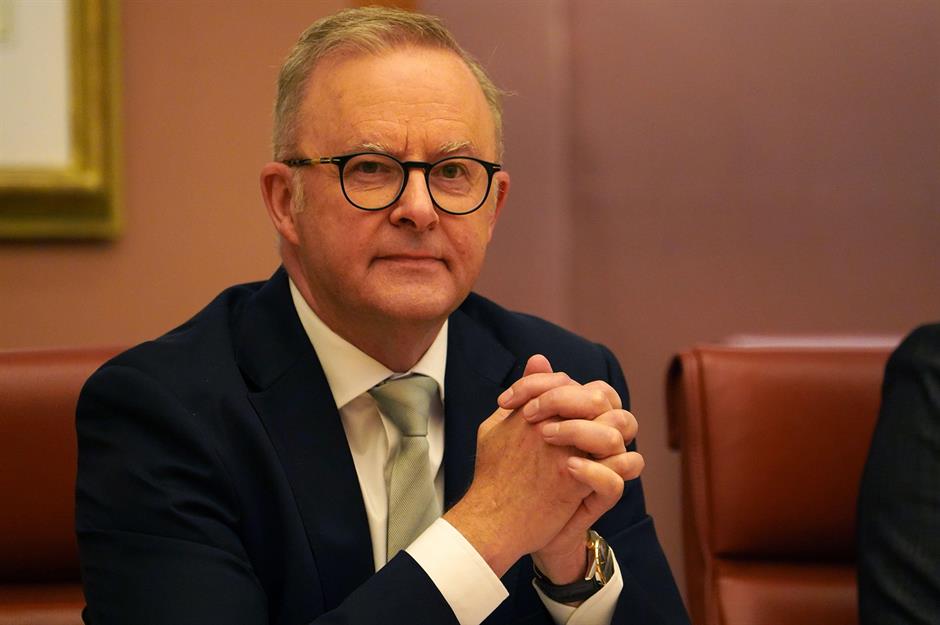
Australia's parliamentarians, who comprise 151 members of the House of Representatives and 76 senators, earn the equivalent of $172,710 (£128k) a year, which is more than twice the country's typical annual salary. Federal MPs can also claim expenses for accommodation, travel and more.
Although Australian parliamentarians earn substantial salaries, recent pay increases have been reasonably restrained. For instance, 2024's 3.5% raise was less than the 3.75% increase to the minimum wage, which sent out the right message and soothed public discontent. 2025 saw a 2.4% increase, while pay rises have been ruled out entirely for 2026.
Sponsored Content
USA: $174,000 (£129,150)
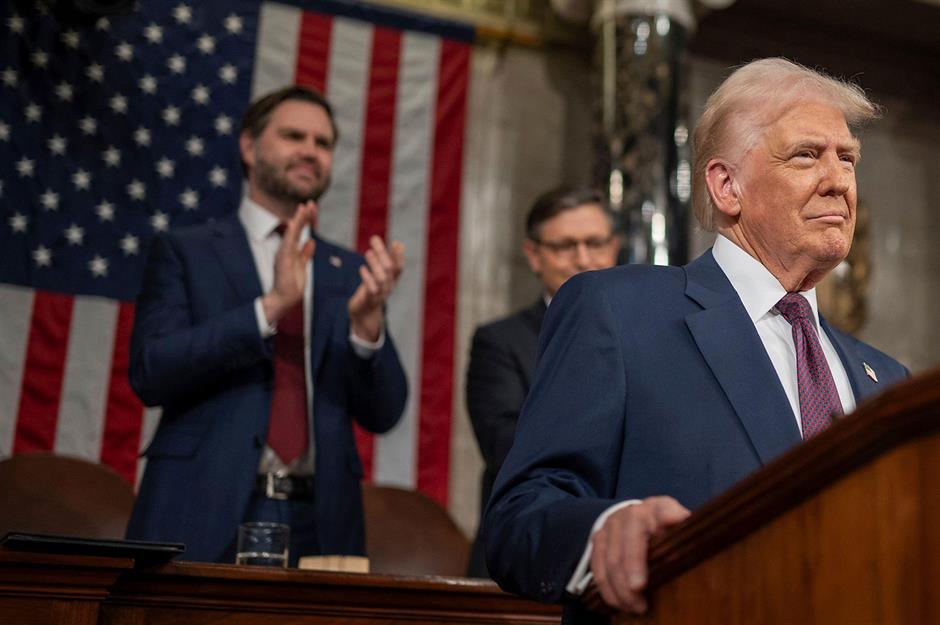
The 535 members of the US Congress are the highest-paid legislators in the world, though not in relative terms. Their annual salary of $174,000 (£129k) is less than three times America's average yearly wage. Plus, the pay rate has been frozen since 2009, with lawmakers ever mindful of public opinion and the potential political fallout of raising their own compensation.
In fact, if the congressional salary had kept pace with inflation, it would stand at over $270,000 (£200k) today.
Now discover the world's wildest salary gaps