Big companies' biggest product failures of all time
Products the public rejected
Corporations are constantly coming up with new products, but what happens when the big companies get it badly wrong?
From yogurt shampoo to the toothpaste company that launched its own lasagne, read on as we take a look at some of the biggest big-name product failures of all time.
Clairol Touch of Yogurt Shampoo
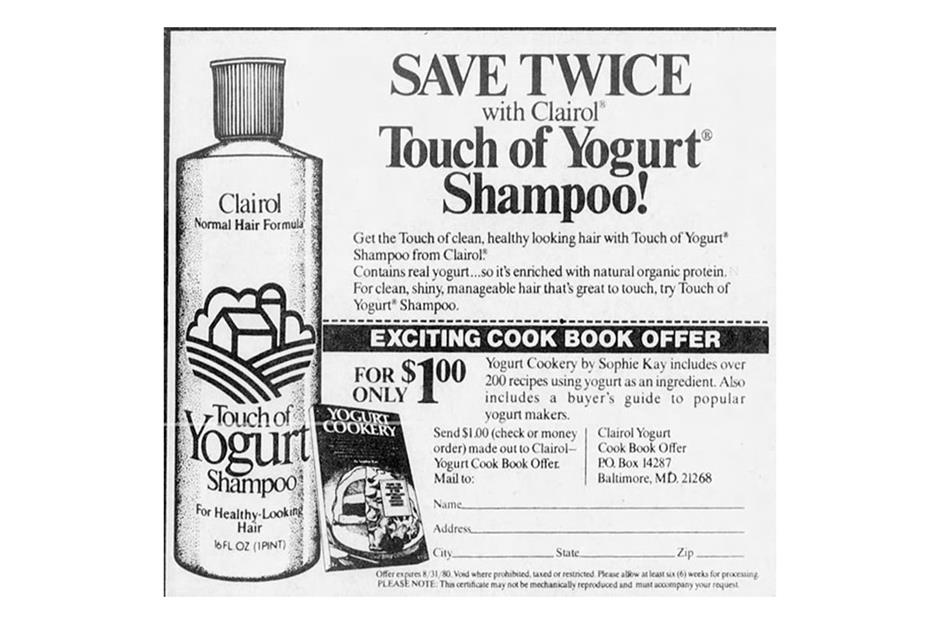
There seem to have been two reasons behind this product’s failure. First of all, the benefits of putting dairy produce in your hair weren’t explained too well, so the concept was bizarre from the get-go. Secondly, some people tried to eat the yoghurt-coloured, yoghurt-textured, yoghurt-named shampoo believing it was, well, edible yoghurt. It wasn’t, and offering the shampoo alongside yoghurt cookery books probably didn't help much either.
Sony’s Betamax Player
Sponsored Content
Colgate beef lasagne
Coke II (New Coke)
Campbell’s Souper-Combo
Sponsored Content
BIC Perfumes
Milton Bradley's Trump The Game
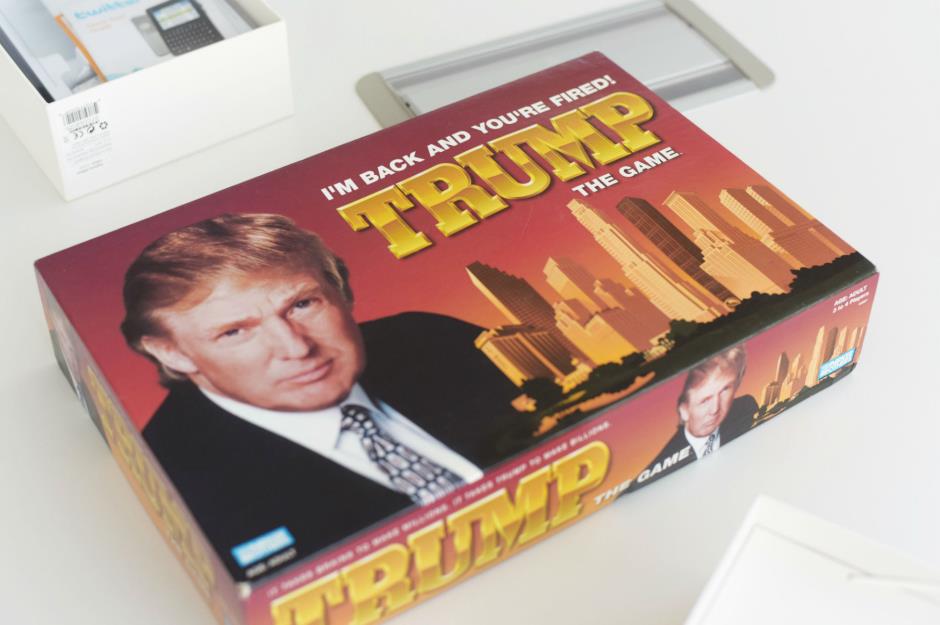
In true Donald Trump style, he was sure his take on Monopoly would fly off the shelves. In fact, the game did so badly after its initial release in 1989 that it barely made half its total expected sales. Not known for backing down, he re-released the product to further disappointment in 2004 following his success on reality TV show The Apprentice. But now, thanks to his international fame, people are selling mint-condition original editions of the game on eBay for as much as $65 (£50).
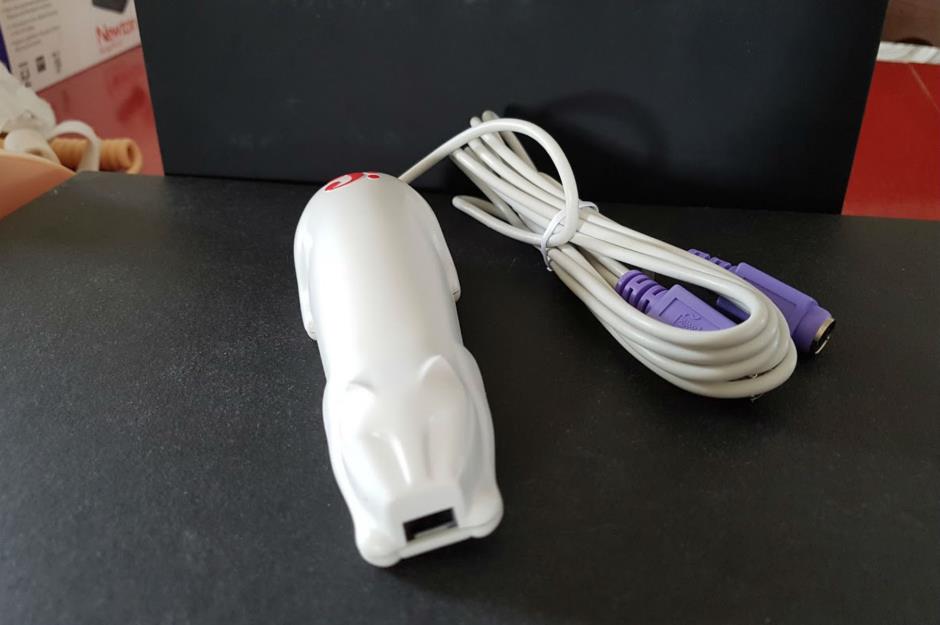
Cuecat barcode scanner
Sponsored Content
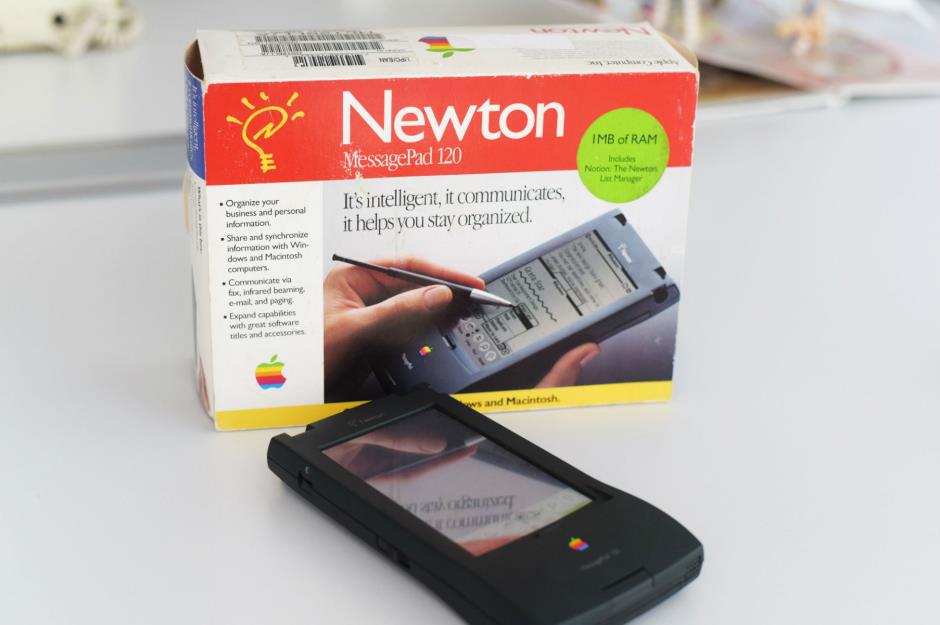
Apple’s Newton MessagePad
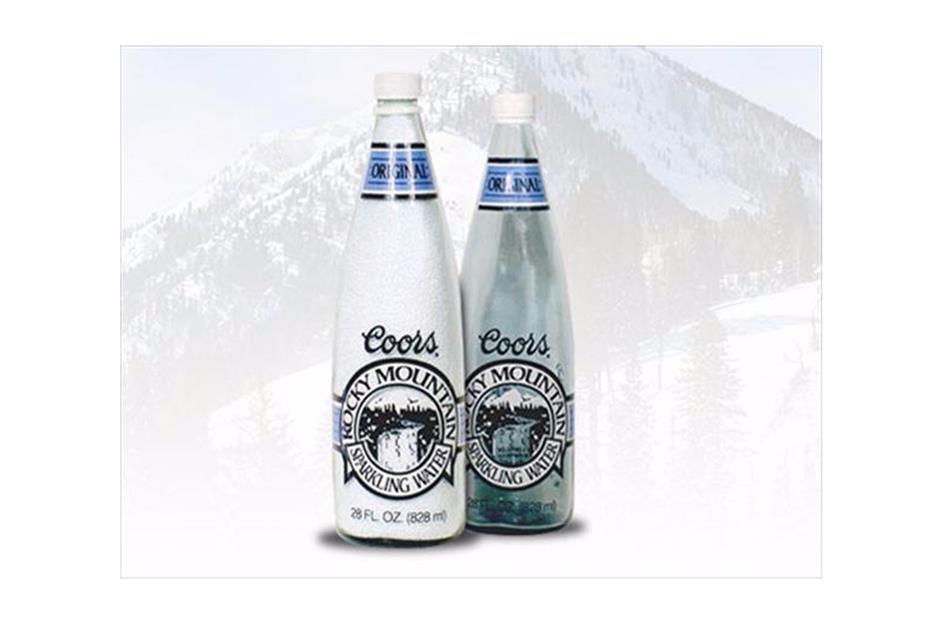
Coors Rocky Mountain Spring Water
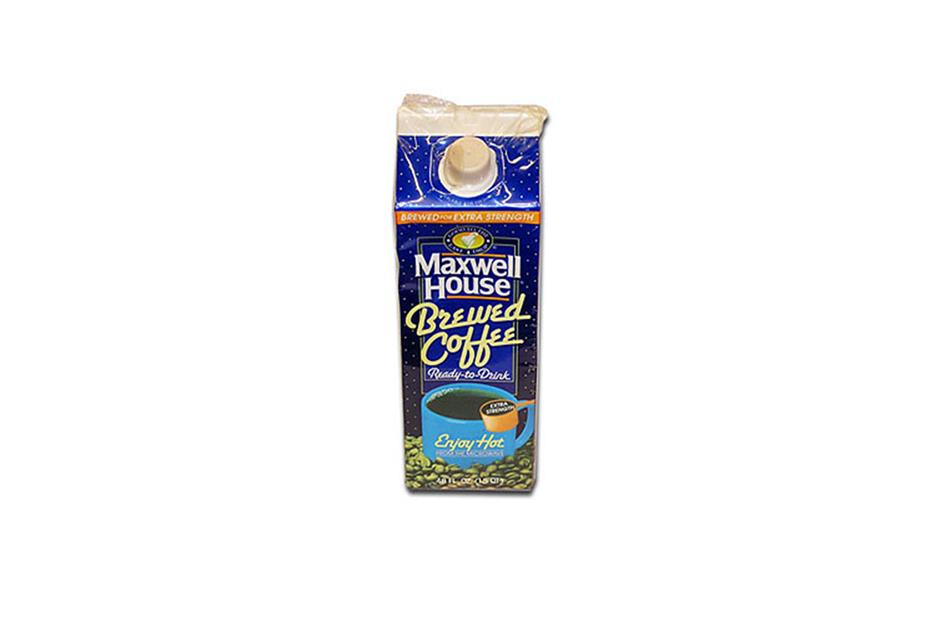
Kraft’s Maxwell House Ready to Drink Brewed Coffee
Sponsored Content
Pepsi AM
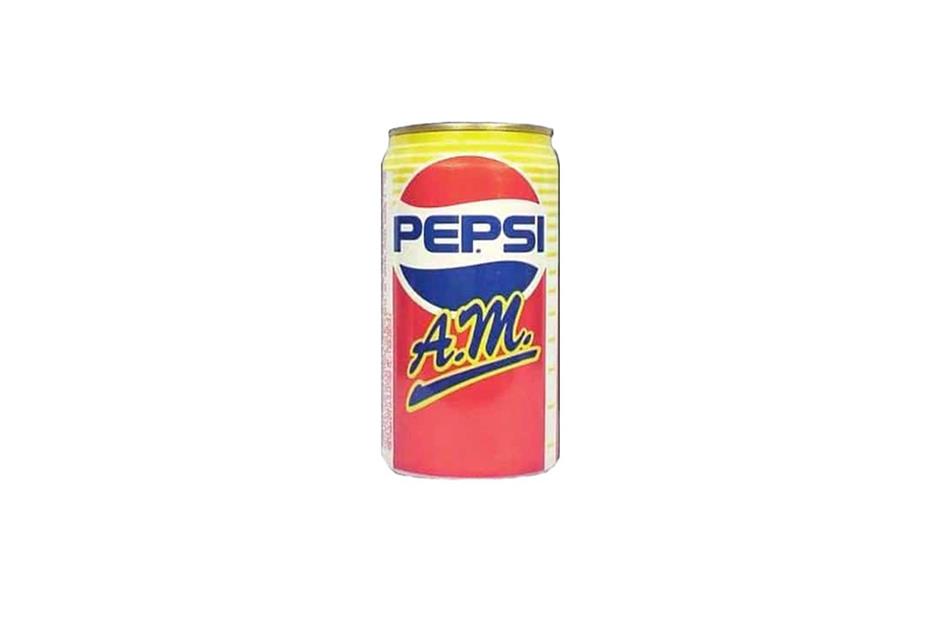
Alternatively, why not ditch your coffee altogether and wake up to a can of fizzy cola instead? Not convinced? Well, neither were Pepsi’s customers when it launched its new morning pick-me-up drinks line.
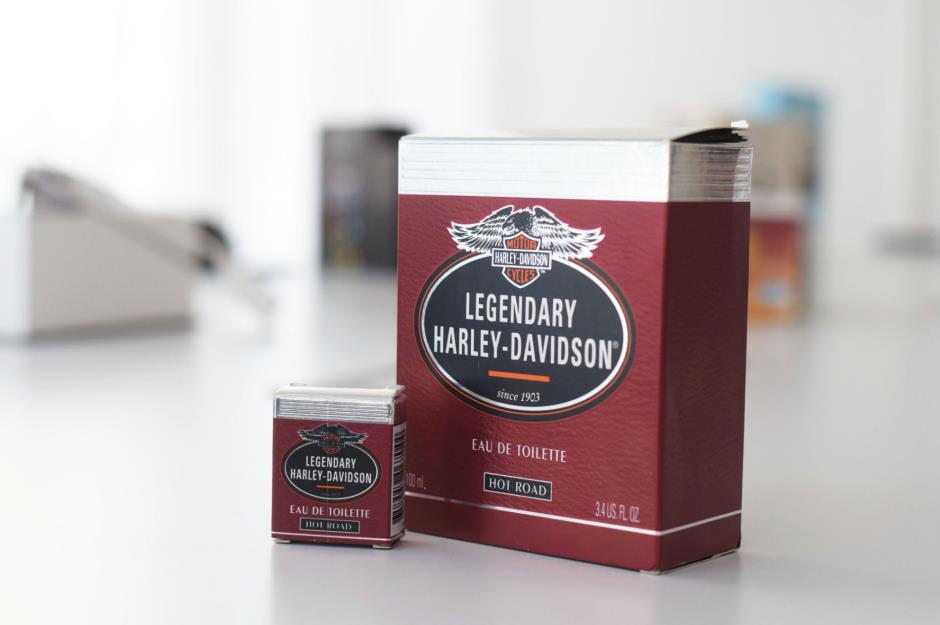
Harley-Davidson ‘Hot Road’ cologne
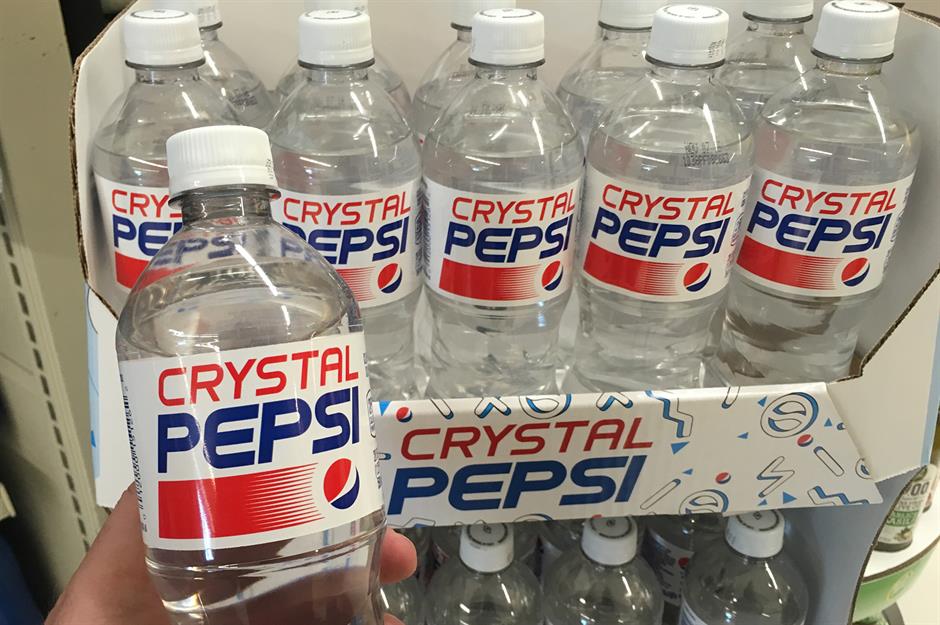
Crystal Pepsi
Sponsored Content
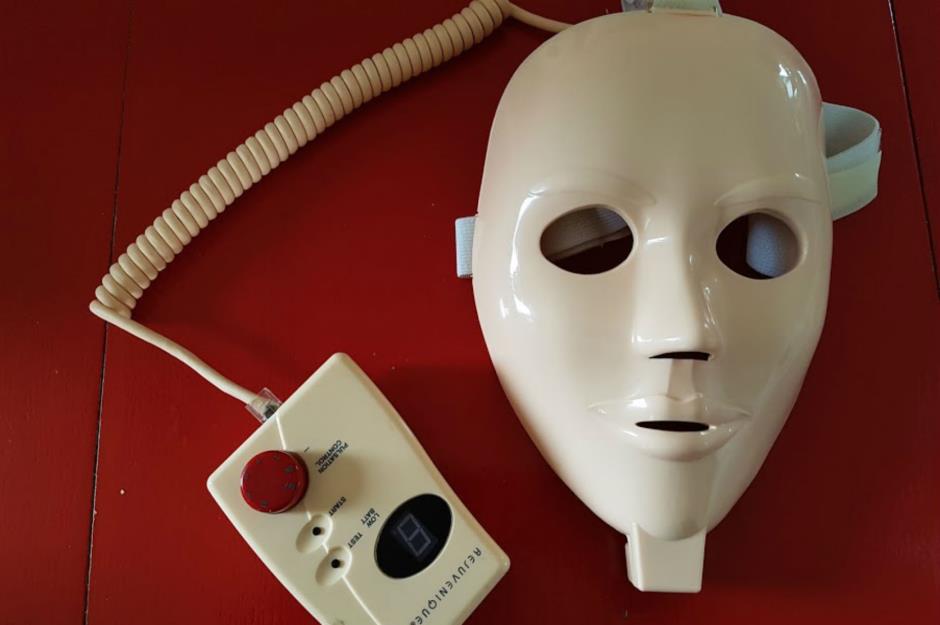
Rejuvenique Electric Facial Mask
McPizza
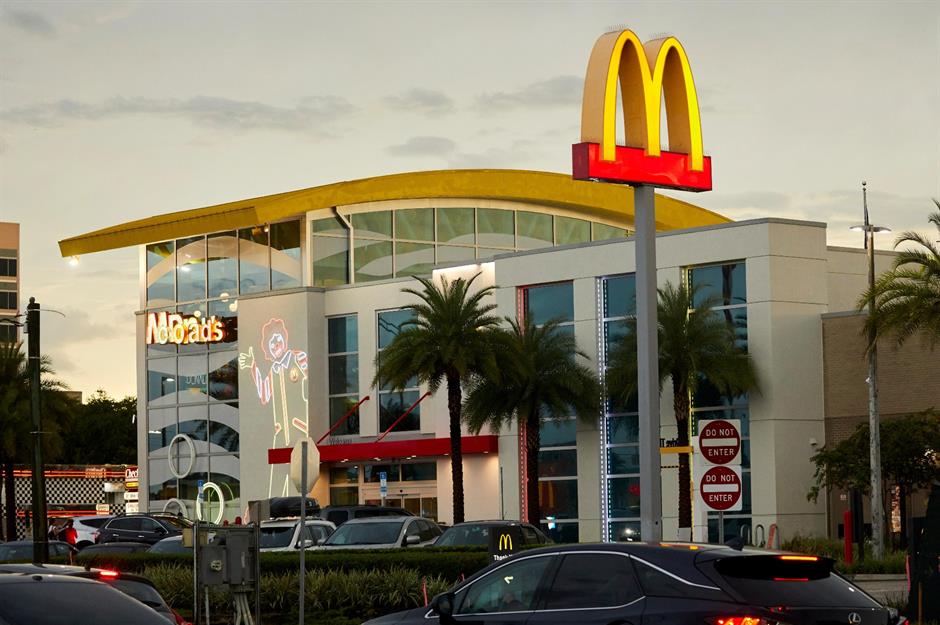
An entire podcast called “Whatever happened to pizza at McDonald’s?” is dedicated to reminiscing about the 1980s and 1990s, when cheese-topped dough bases featured on McDonald’s menus. Sadly, the McPizza never reached the dizzying success enjoyed by the McNugget, the McMuffin and the Big Mac. The pizzas took longer to prepare than their fast food counterparts and there were complaints that the square boxes couldn’t fit through drive-in windows. By the turn of the century nearly every McDonald’s outlet had taken pizza off the menu due to lack of demand, and today the McPizza can only be found in America’s biggest McDonald’s in Orlando, Florida (pictured).
Cosmopolitan Yoghurt
In the Legally Blonde movies, Reese Witherspoon’s character Elle Woods declares Cosmopolitan magazine “the bible”. But even her loyal persona would have been confused by the publication’s bizarre segway into yoghurt production in the late nineties. Cosmopolitan apparently drew a connection between the magazine’s sex and relationships content and food fetishes, which ‘logically’ meant that branded yoghurts would sell. They didn’t.
Sponsored Content
Fat Free Pringles
Heinz’s Green Ketchup
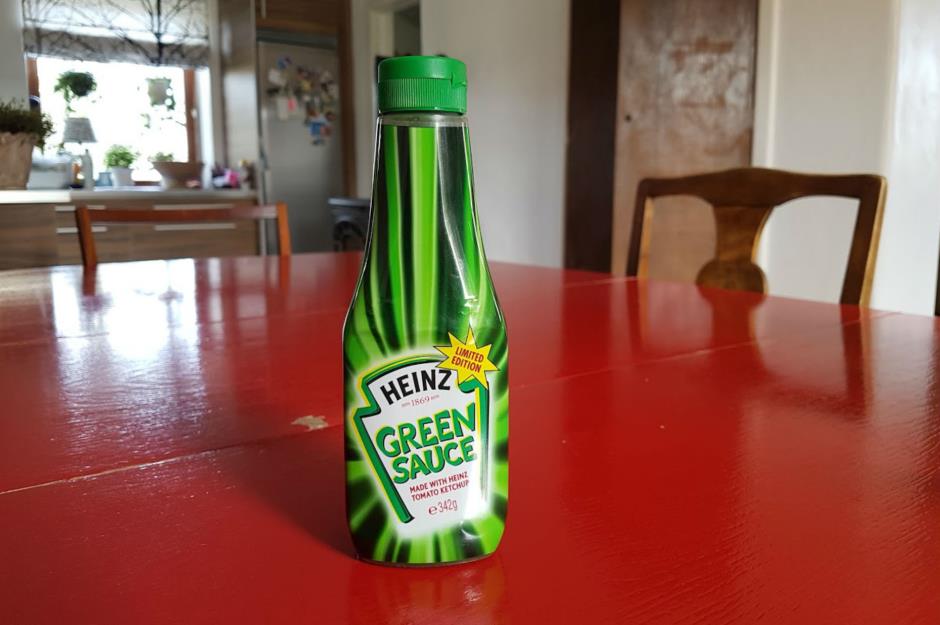
This was an invention to get the kids talking. In 2000 “Heinz EZ Squirt”, or “Heinz Green Sauce”, was released, featuring spinach-coloured “Blastin’ Green” ketchup and it was an instant hit with the kids. Although the product boomed initially, sales began to dwindle as children lost interest in the shiny new condiment on the table and the line was discontinued in 2006.
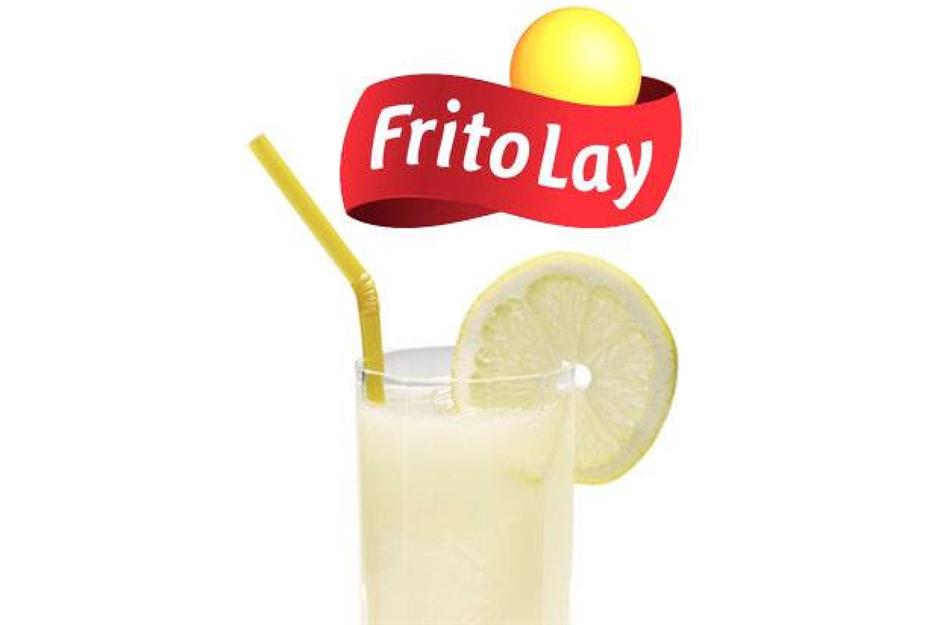
Frito-Lay Lemonade
Sponsored Content
Pepsi Blue
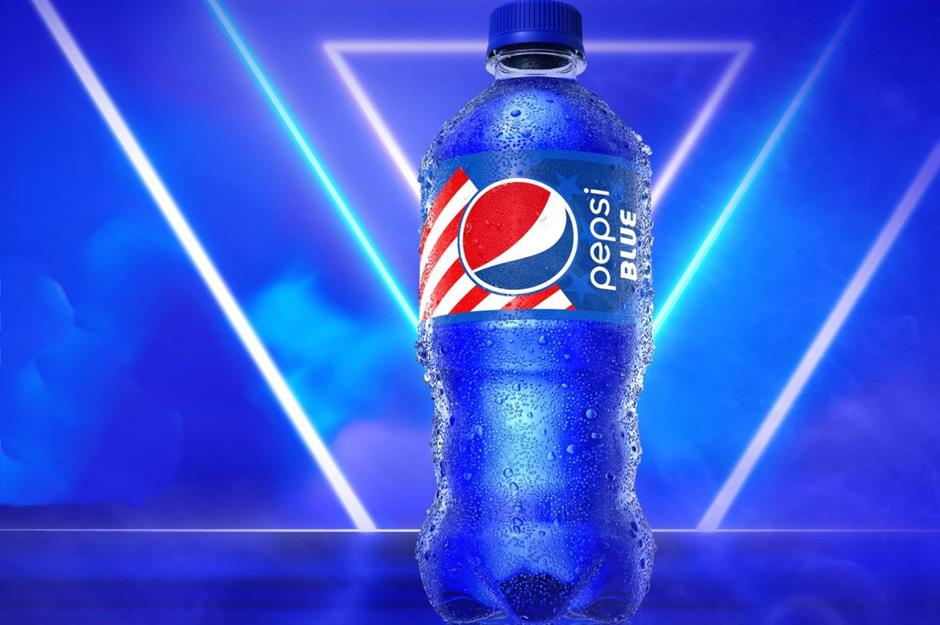
PepsiCo launched the berry-flavoured soda Pepsi Blue in 2002 but, despite relentless promotion from the likes of Britney Spears and the New York Mets, sales of the blue beverage were disappointing and the drink was axed in 2004 in the US and Canada, although it is still sold in parts of Asia.
However, despite its previous flop, Pepsi brought the drink back to American stores for a limited time in 2021. From May that year, the brightly-coloured beverage was back on store shelves "everywhere that Pepsi products are sold" in 20-ounce bottles and multi-packs for as long as stocks lasted. The move was down to a group of "passionate Pepsi Blue fans [who] have been clamoring for the return of their beloved berry cola", according to PepsiCo's press release.
Vanilla Ice Cream Monster Munch
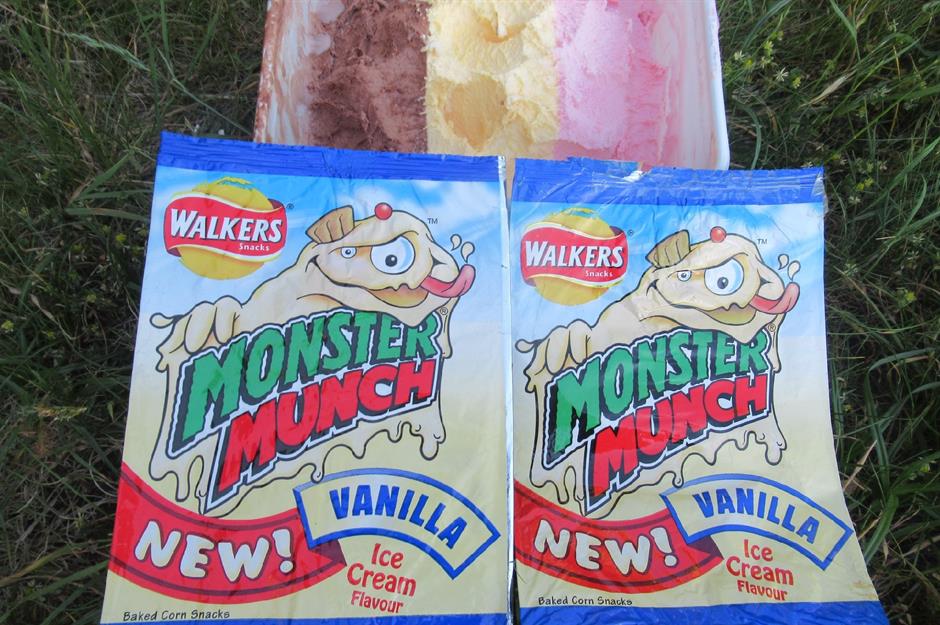
In 2003, UK snack giant Walkers decided to launch a new crisp in its Monster Munch range, but this wasn’t any old savoury snack – this was the company’s first sweet crisp. The crisp was supposed to taste like vanilla ice cream and the accompanying monster was designed to look like a melting scoop of the stuff. It’s safe to say the public reaction was fairly icy and the disastrous dessert snack was pulled from production.
Nokia N-Gage
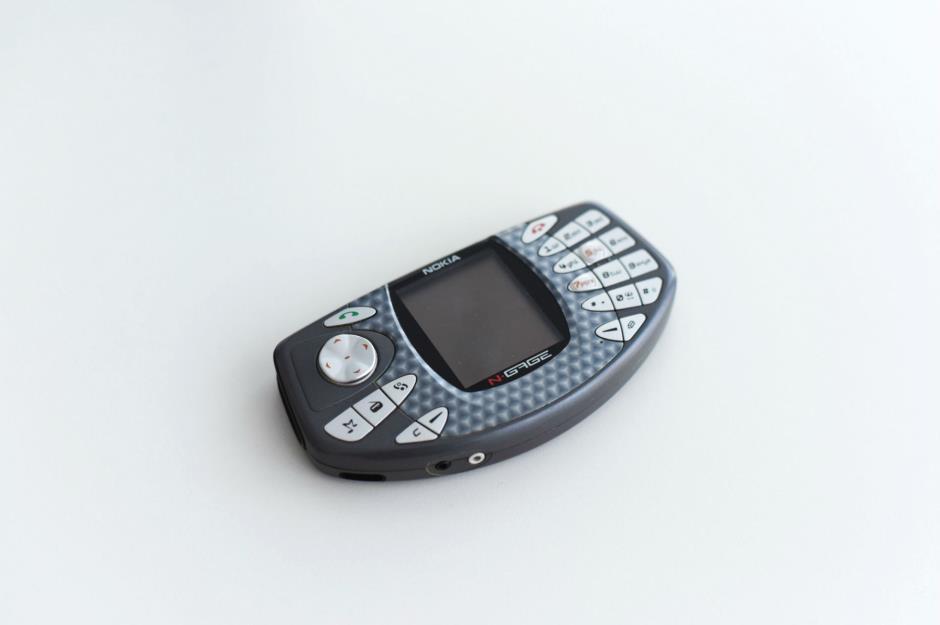
Back in 2003, a phone that doubled up as a handheld gaming system sounded ground-breaking. But with a niche market to break into, few games available, and a flaw in the design of the phone, which had to be totally dismantled to change games, there wasn’t much hope. And when you compare the N-Gage’s $299 (£190) price tag against the GameBoy Advance’s $99.99 (£63), it’s a huge jump too. Thankfully phones have modernised since.
Sponsored Content
Oakley Thump MP3 Sunglasses

Somebody decided that incorporating an MP3 player into a pair of sunglasses would be a great idea given their proximity to your ears. The logic was there, but when Oakley launched its ‘Thump’ sunglasses in 2004, potential customers were met with a bulky design and a hefty price tag. Let’s just say when you search for ‘Thump’ on the Oakley website it comes up with “no matches found”.
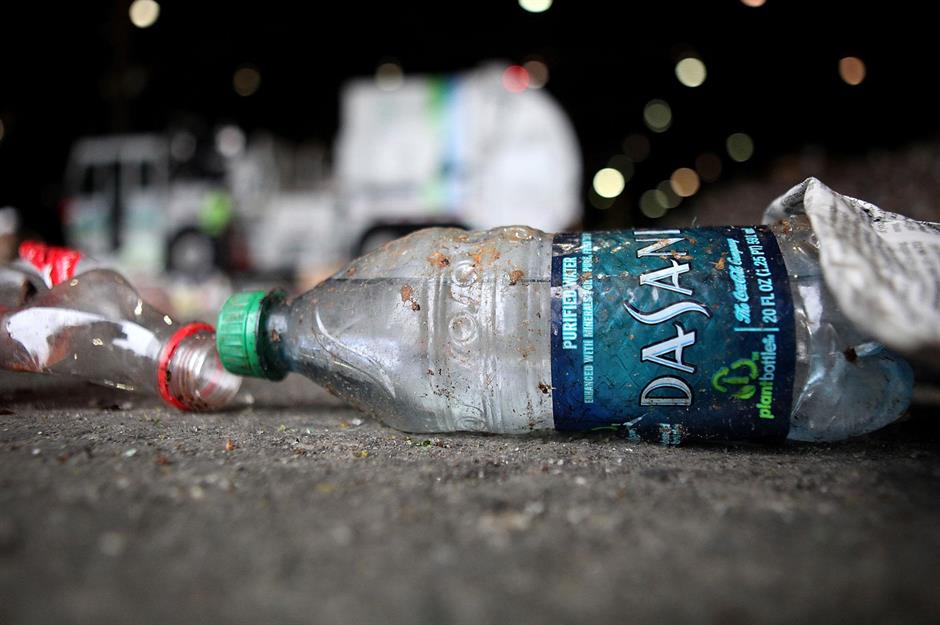
Coca-Cola's Dasani water
The British media savaged Coca-Cola when it attempted to launch its Dasani water brand in the UK in February 2004 after it was revealed the product was nothing more than treated tap water. The corporate fiasco reached a climax the following month when UK health and safety officers discovered possible carcinogens in samples of Dasani water, prompting Coca-Cola to withdraw the product from the UK market and abandon the ill-fated launch.
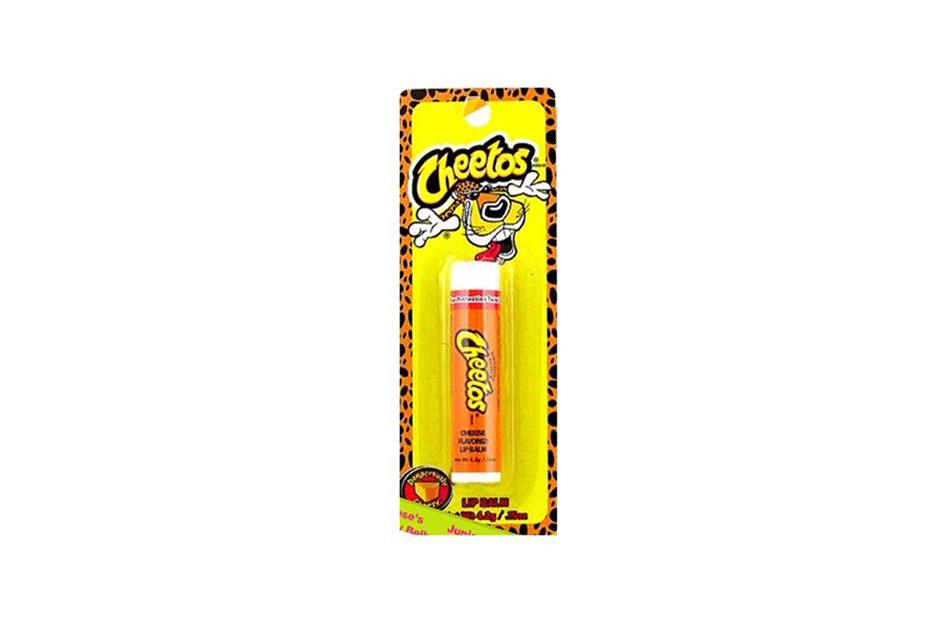
Cheetos Lip Balm
Sponsored Content
Microsoft Zune
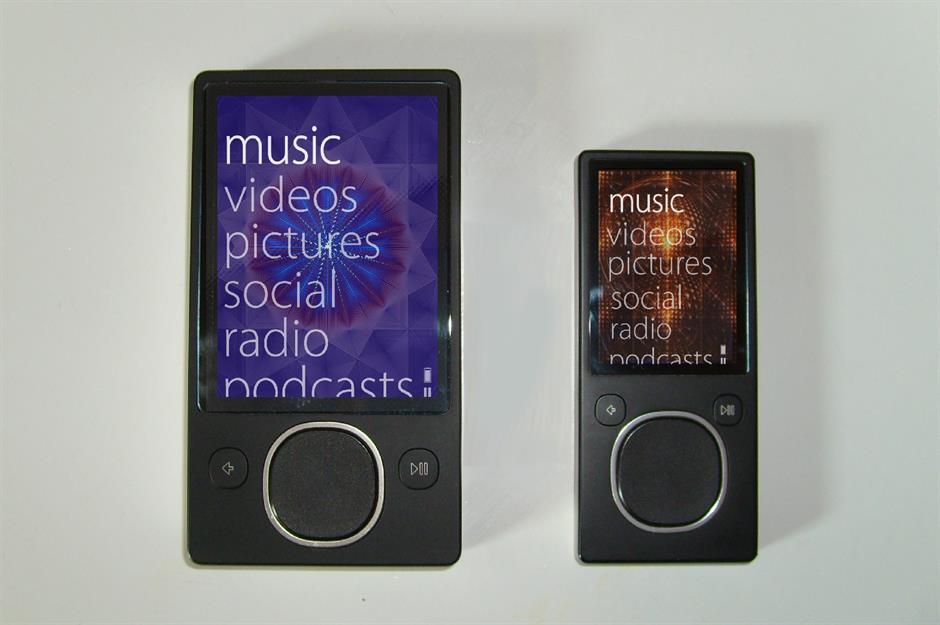
Microsoft launched Zune in 2006 to try and take on Apple in the MP3 player market with portable music players similar to iPods and the iTunes copycat Zune Music Pass. Zunes never really captured the market in the way that Apple’s products had though, and they were discontinued in 2011. The old-school devices are still popular among small pockets of die-hard fans though, as well as eccentric Tesla CEO Elon Musk, if his tweets are to be taken seriously. On 25 June 2021, Musk tweeted “Bring back the Zune!! It’s time.” in response to a tweet by Microsoft CEO Satya Nadella.
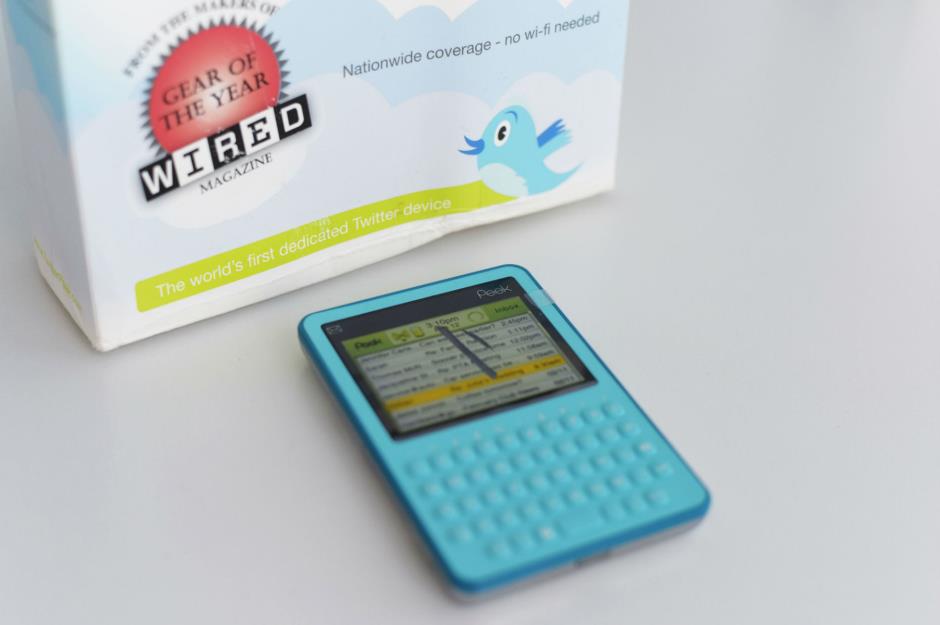
Twitter Peek
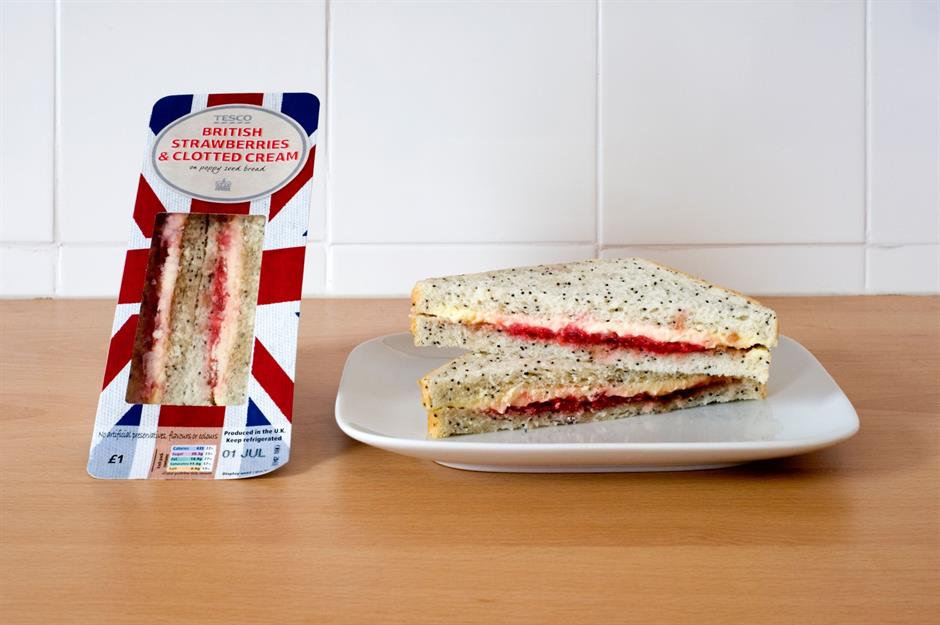
Tesco’s Strawberries & Clotted Cream Sandwich
Sponsored Content
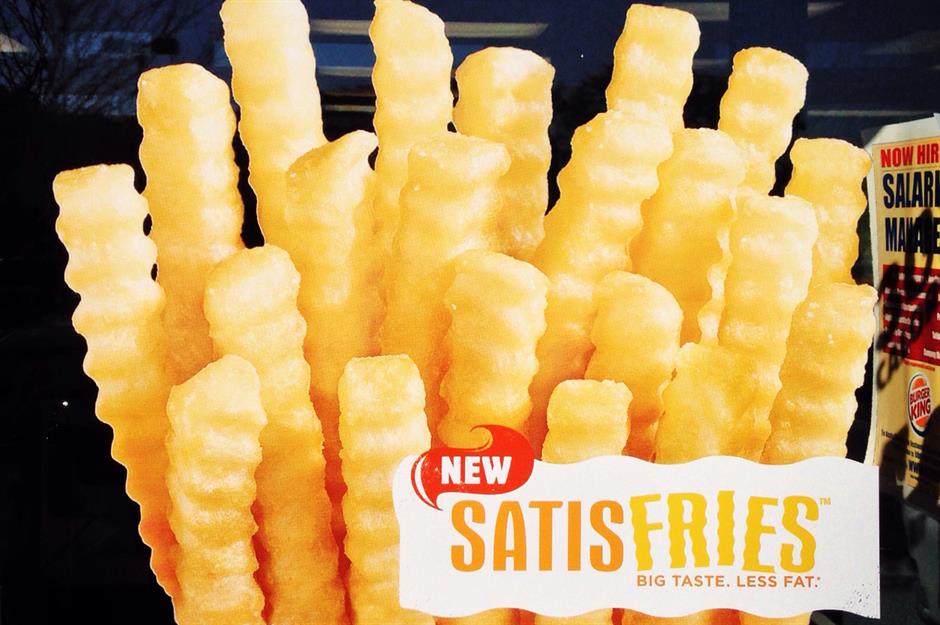
Burger King Satisfries
Neflix Qwikster
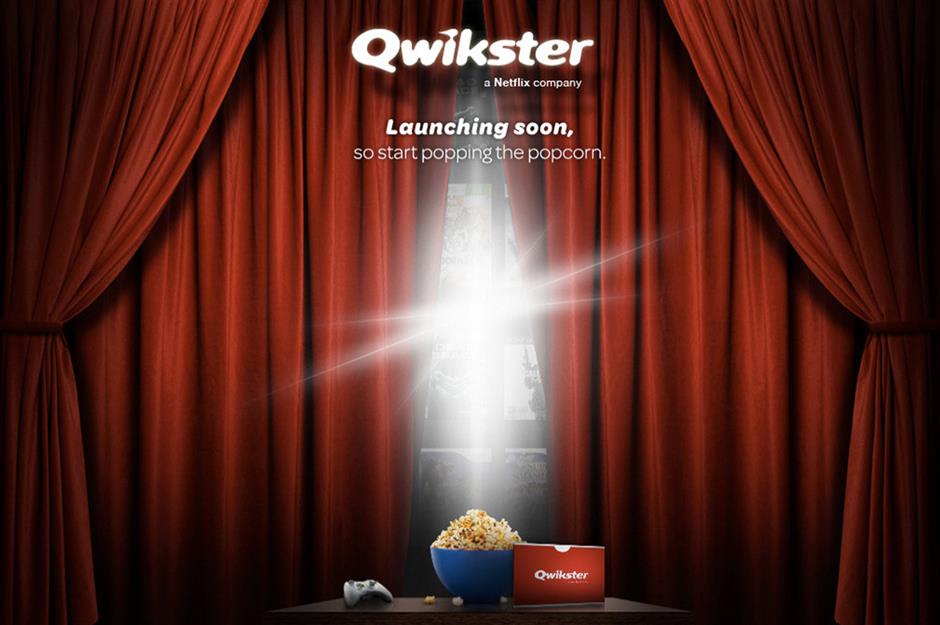
Netflix is now a household name and even has its own euphemism: ‘Netflix and chill’. What you may not be able to recall quite so readily is Netflix's 2011 blip when it launched Qwikster, a DVD delivery service which charged a separate subscription fee. Originally, Netflix had offered DVD delivery as part of its main service, but by splitting the two services Qwikster soon flopped. However, Netflix's streaming service has since gone from strength to strength.
Google Glass
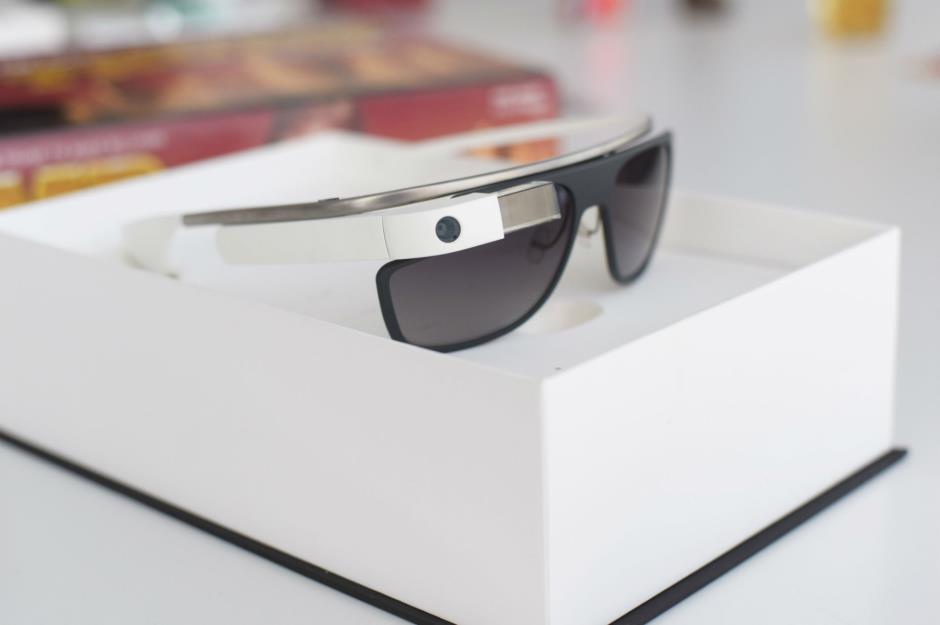
Once dubbed Time magazine’s Best Invention of the Year, Google Glass didn’t make it to mass popularity. Released in 2012, its hefty price tag of over $1,000 (£1,000 in the UK) made it largely unaffordable, and many people complained about privacy issues as they could be filmed without knowing. Google decided it was better to look at other wearable technology.
Sponsored Content
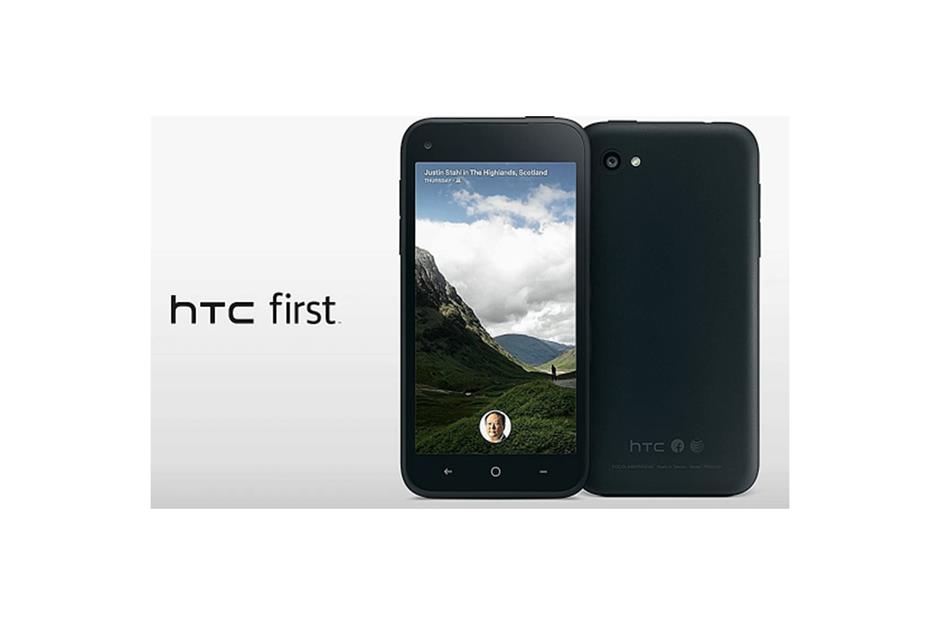
HTC First ‘Facebook Phone’
Amazon Fire Phone
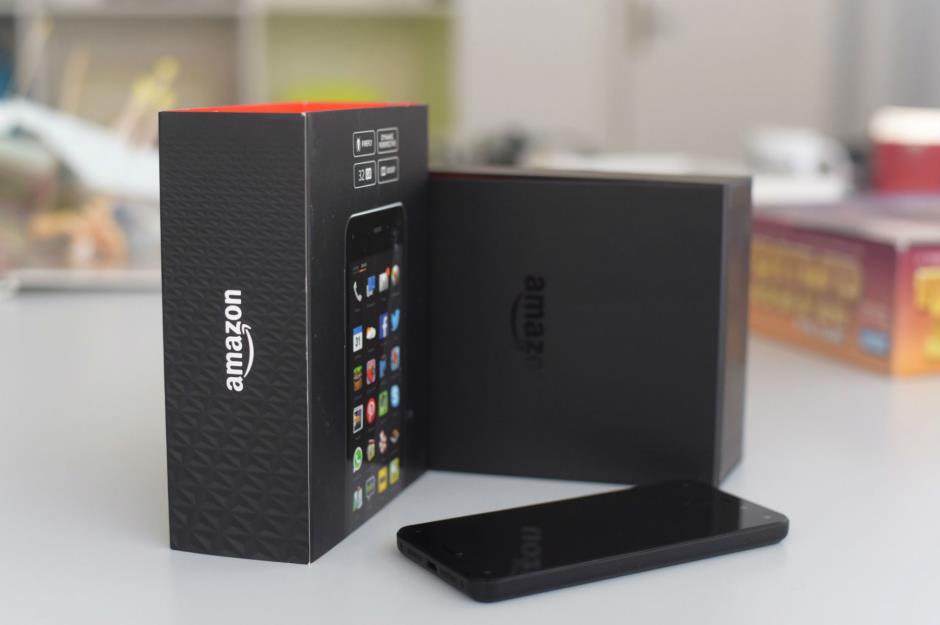
The Amazon Fire Phone was released in 2014. It was Amazon’s first venture into the smartphone market, following the success of its Kindle Fire tablet. The app store was too small so loyal iPhone and Samsung users couldn't be pulled away from their devices. Unfortunately for Amazon, the Fire Phone was a classic “too little, too late” move into this industry.
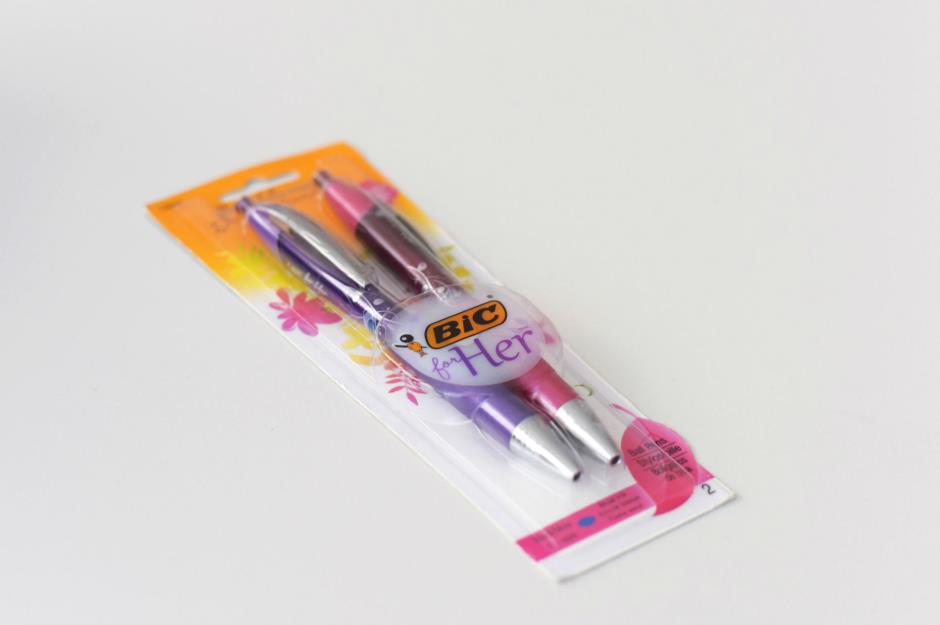
BIC’s “for Her” pens
Sponsored Content
Samsung Galaxy Note7
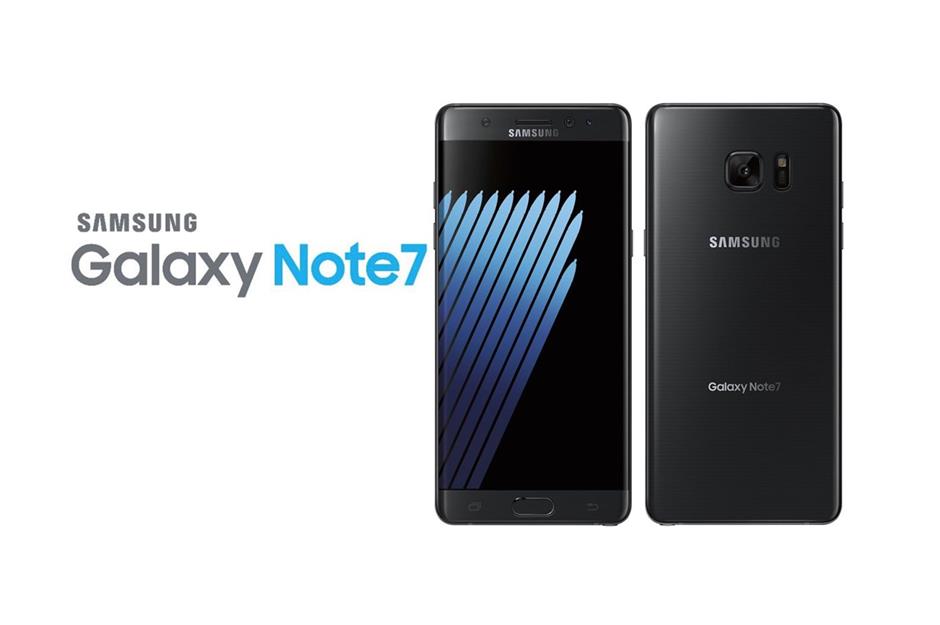
When Samsung had to discontinue its Galaxy Note7 phone, it came as a blow to the company. Literally. After reports of the devices spontaneously combusting, the tech giant was forced to recall the model on safety grounds and issue a public apology.
Now take a look at the very public failures of some famous businesses
Thanks to the Museum of Failure for permission to use its imagery in this piece.